
Will New York Make You Replace Your Gas Furnace?
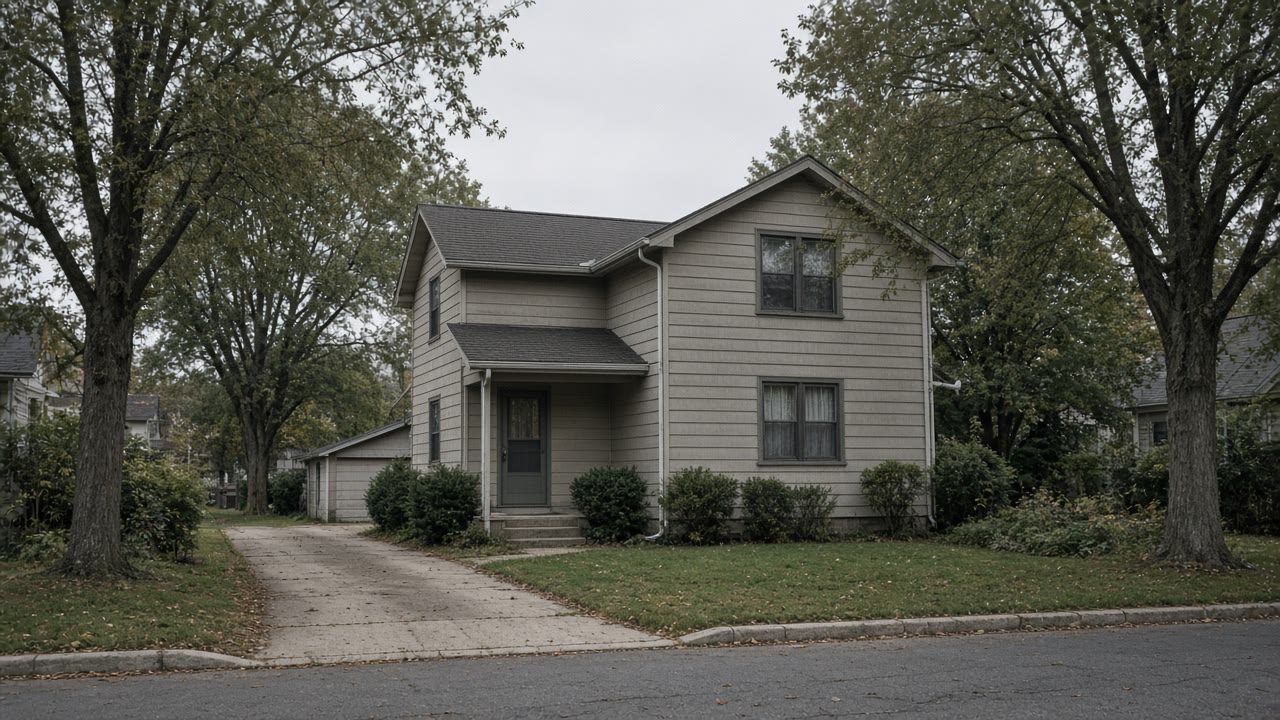
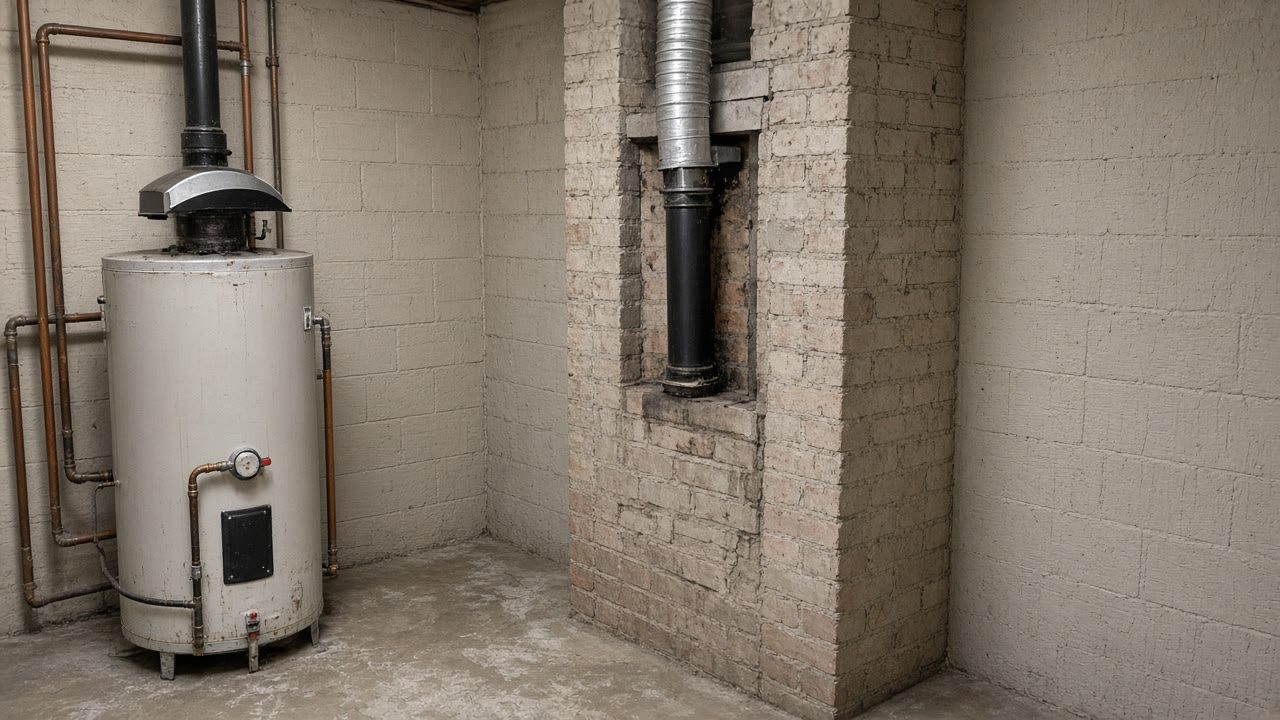
No. New York's all-electric requirement applies to new buildings, and Energy Law section 11-104 provides expressly that the prohibition shall not be construed as applying to buildings existing before it, including their repair, alteration, addition, relocation or change of use, and including the installation and continued use and maintenance of fossil fuel equipment. The State Assembly's own public explainer says it in one line: existing gas appliances can be replaced with new gas appliances.
Already know you need someone out? Call (315) 640-3590, answered 24/7.
The refrigerant dates, in the order they happened
January 1, 2025
40 CFR 84.54, Technology Transitions under the AIM ActThe restriction takes effect for residential and light commercial air conditioning and heat pump products using a refrigerant with a global warming potential of 700 or greater, covering manufacture, import, sale and distribution.
Stock already built
Equipment made or imported before that dateSystems whose components were domestically manufactured or imported before January 1, 2025 exist in distribution, and are what a discounted older-refrigerant quote is drawing on.
July 27, 2026
EPA final rule at 91 FR 31284EPA removed the installation deadline for that pre-2025 inventory, so it continues to be installable rather than becoming stranded on a shelf.
The years you own it
You, and whoever services itThe newer refrigerants are listed for new equipment only and are not conversion or retrofit refrigerants, so whatever the system is charged with is what it keeps.
40 CFR 84.54, EPA final rule 91 FR 31284 of May 26, 2026, and EPA's SNAP listing at 86 FR 24444.
What the statute says about houses that already exist
Read the law rather than the headline and the fear goes away. New York Energy Law section 11-104 directs the State Fire Prevention and Building Code Council to prohibit the installation of fossil fuel combustion systems in new buildings not exceeding seven stories from December 31, 2025, and in all new buildings from December 31, 2028, with commercial and industrial buildings over 100,000 square feet excepted from the first date. The section then provides expressly that the prohibition shall not be construed as applying to buildings existing prior to the effective date of the applicable prohibition, including to the repair, alteration, addition, relocation, or change of occupancy or use of such buildings, and to the installation or continued use and maintenance of fossil-fuel equipment. It also lists permitted uses that survive regardless, among them emergency backup and standby power, manufactured homes, manufacturing facilities, commercial food establishments, laboratories, hospitals and other medical facilities, agricultural buildings and critical infrastructure. The word new is doing all the work in that law, and your house is not new.
The plain-English version, published by the state itself
You do not have to take a contractor's word for this, or ours. The New York State Assembly publishes a public explainer on the All-Electric Buildings Act which states that starting in 2026, most new construction of buildings seven stories or shorter must be built to use electric heat and appliances, and that taller residential buildings and smaller commercial buildings will be rolled in during 2029. It then says two things directly to homeowners. Existing buildings will not be impacted by these new requirements, even if they are being repaired or renovated. And existing gas appliances can also be replaced with new gas appliances. It adds that some industries including restaurants, hospitals and doctors' offices, factories and agricultural buildings are automatically exempt, and that waivers will be available for new construction where the local electric corporation or municipality cannot provide reliable service. If somebody is using a gas ban as a reason you should decide quickly, that is a sales technique rather than a legal position.
One village in this county has an electric heat rule, and it runs the other way
Here is the local twist nobody expects. Instruction 13 of the Village of Skaneateles building permit instructions states that all existing and proposed buildings must meet the minimum insulation standards of the Energy Conservation Code of NYS before converting to or extending the use of electric heat appliances, and that no building may use total electric heat where natural gas service is available. Instruction 14 requires all work to comply with New York State building, construction, safety and mechanical codes and with the village's own codes and ordinances. So in that one village the published permit paperwork points away from all-electric heat where gas is at the curb, which is the exact opposite of what people fear the state is doing. We are quoting the village's permit instructions rather than a code compilation, we have not read the local law sitting behind them, and we are not going to tell you what applies at your address. If you are in the village and considering electric heat, that conversation starts at the village code office on 26 Fennell Street.
What genuinely did change is what is on the floor to sell you
The real change of the last two years was federal, it was about refrigerant, and it happened quietly while everyone argued about gas. The rule is 40 CFR 84.54, made under the American Innovation and Manufacturing Act. Paragraph (a)(1) took effect on January 1, 2025 for self-contained residential and light commercial air conditioning and heat pump products using a regulated substance, or a blend containing one, with a global warming potential of 700 or greater, restricting manufacture, import, sale, distribution and export. Paragraph (c)(1) does the same from the same date for residential or light commercial air conditioning or heat pump systems above that same limit, restricting the installation of a new system, with variable refrigerant flow systems excepted. In practice that is why new equipment now arrives charged with R-454B or R-32 rather than R-410A. It is a rule about what may be built and sold, and it says nothing at all about the system currently sitting in your basement.
Equipment built before 2025 can still be installed, which is a real choice
This is where a buyer meets an actual decision rather than a rumor. EPA's final rule at 91 FR 31284, published May 26, 2026 and effective July 27, 2026, allows the inventory of residential and light commercial air conditioning and heat pump equipment manufactured in or imported into the United States before January 1, 2025 to continue to be installed. EPA describes the change as removing the installation deadline for those systems where all specified components were domestically manufactured or imported before that date. So if you are offered a discounted unit on the older refrigerant, that offer is a legitimate one and the equipment is not about to become unusable. What you are weighing is a lower price today against a longer ownership horizon on a refrigerant whose new supply is being stepped down over time. There is no third option on the showroom floor, and the honest way to make the call is to ask how long you expect to own the house.
What you cannot do is put the new refrigerant into an old system
This is the most common misunderstanding we see, and it is worth being exact about. EPA listed R-32, R-452B, R-454A, R-454B, R-454C and R-457A for residential and light commercial air conditioning and heat pumps subject to use conditions, and the first use condition is new equipment only. EPA writes that these refrigerants may be used only in new equipment designed to address concerns unique to flammable refrigerants, that the listing does not allow them to be used as a conversion or retrofit refrigerant for existing equipment, and that none of them are being listed for that purpose, with new equipment defined as a completely new refrigeration circuit containing a new compressor, evaporator and condenser. EPA also records that all six carry an ASHRAE safety group classification of A2L, and notes in a footnote that it had used the term mildly flammable in the proposed rule and revised it to flammable throughout the final rule after comment. That is why the equipment was redesigned rather than simply recharged.
The numbers on the two labels, side by side
If you want to see what the change was actually for, EPA's own listing puts it in one table. R-410A, sold under trade names including AZ-20, Suva 9100 and Puron, is listed with zero ozone depletion potential, a global warming potential of 2,090 and an ASHRAE classification of A1, status acceptable. R-454B, trade name Opteon XL41, is listed at a global warming potential of 470 with a classification of A2L, acceptable subject to use conditions. HFC-32 is listed at 675 and R-452B at 700, both A2L. All three of the newer refrigerants appear in EPA's new equipment column rather than the retrofit column, which is the same point as the section above stated in a different form. None of this makes the older equipment unlawful to own or to service. It describes what manufacturers are now permitted to build, and it explains why the model line you researched two years ago has a different model number today.
What the change did to prices, and why this page will not tell you
You will see percentage increases attributed to the refrigerant transition in trade articles and in sales conversations. We went looking for the source and did not find one. The federal record establishes the allowance schedule and the restriction dates. It does not publish a consumer price effect, and the percentage figures circulating in the trade press could not be traced to a primary source on the date we checked. So we are not going to print one, because a number you can budget from ought to come from somewhere you can check. What you can do instead is ask each bidder which refrigerant the proposed equipment uses, whether it is current production or pre-2025 inventory, and what the difference in price is between the two options they can actually get. That turns an unanswerable market question into a comparison of two quotes in front of you.
So what do you actually ask when you are looking at two quotes
Four questions cover it. Which refrigerant is this unit charged with. Is it current production or pre-2025 stock. What is the price difference between the two options you can source. And how long do I expect to be in this house, which is the one you answer rather than the contractor. Those four make the decision concrete instead of political, and none of them requires you to have an opinion about state energy policy. One boundary worth naming: what servicing looks like for the system you already own is a genuinely different question, it belongs with whoever repairs your equipment rather than with whoever wants to sell you new equipment, and this page stops here on purpose. If you are buying, tell us about the house and what you have been offered, and we will connect you with licensed, insured contractors who will answer all four in writing.
Sources used in this guide
New York Energy Law section 11-104 directs the State Fire Prevention and Building Code Council to prohibit the installation of fossil fuel combustion systems in new buildings not exceeding seven stories from December 31, 2025, except commercial and industrial buildings over 100,000 square feet, and in all new buildings from December 31, 2028. The statute then provides expressly that the prohibition shall not be construed as applying to buildings existing prior to the effective date of the applicable prohibition, including to the repair, alteration, addition, relocation, or change of occupancy or use of such buildings, and to the installation or continued use and maintenance of fossil-fuel equipment. The section also lists permitted uses, among them emergency backup and standby power, manufactured homes, manufacturing facilities, commercial food establishments, laboratories, car washes, laundromats, hospitals and other medical facilities, critical infrastructure, agricultural buildings, fuel cell systems and crematoria.
Source: New York Energy Law section 11-104, State Energy Conservation Construction Code, via the New York State Senate, accessed 2026-09-14
The New York State Assembly's public explainer on the All-Electric Buildings Act states that starting in 2026, most new construction of buildings in New York that are seven stories or shorter must be built to use electric heat and appliances, and that taller residential buildings and smaller commercial buildings will be rolled into the program in 2029. It states that existing buildings will not be impacted by these new requirements, even if they are being repaired or renovated, and that existing gas appliances can also be replaced with new gas appliances. It states that some industries, including restaurants, hospitals and doctors' offices, factories and agricultural buildings, are automatically exempt, and that waivers will be available for new construction projects where the local electric corporation or municipality cannot provide reliable service.
Source: New York State Assembly, All Electric Buildings, What It Does, accessed 2026-09-14
Instruction 13 of the Village of Skaneateles building permit instructions states, verbatim, that all existing and proposed buildings must meet the minimum insulation standards of the Energy Conservation Code of NYS before converting to or extending the use of electric heat appliances, and that no building may use total electric heat where natural gas service is available. Instruction 14 states that all work is to be in compliance with New York State building, construction, safety and mechanical codes and all applicable codes and ordinances of the Village of Skaneateles.
Source: Village of Skaneateles, New York, Instructions to Applicants for Building and Zoning Permits, instructions 13 and 14, accessed 2026-09-14
The federal rule that changed residential air conditioning is 40 CFR 84.54. Paragraph (a)(1) makes it effective January 1, 2025 for self-contained residential and light commercial air conditioning and heat pump products using a regulated substance, or a blend containing one, with a global warming potential of 700 or greater. Paragraph (c)(1) does the same from the same date for residential or light commercial air conditioning or heat pump systems above that same 700 limit, except variable refrigerant flow systems. The restriction in paragraph (a) is on manufacture, import, sale, distribution and export of the product, and the restriction in paragraph (c) is on installing a new system.
Source: 40 CFR 84.54(a) and (c), Restrictions on use of regulated substances, Technology Transitions under the American Innovation and Manufacturing Act of 2020, via the Electronic Code of Federal Regulations, accessed 2026-09-14
EPA's summary of its final rule at 91 FR 31284 states that it allows the inventory of residential and light commercial air conditioning and heat pump equipment that was manufactured in the United States or imported into the United States before January 1, 2025, to continue to be installed. The list of changes the rule makes puts it as removing the installation deadline for systems in the residential and light commercial air conditioning and heat pumps subsector, where all specified components of such systems were domestically manufactured or imported before January 1, 2025. The rule is effective July 27, 2026.
EPA listed R-32, R-452B, R-454A, R-454B, R-454C and R-457A for residential and light commercial air conditioning and heat pumps subject to use conditions, and the first use condition is new equipment only. EPA writes that these refrigerants may be used under the SNAP program only in new equipment designed to address concerns unique to flammable refrigerants, that this listing does not allow these substitutes to be used as a conversion or retrofit refrigerant for existing equipment, and that none of these substitutes are being listed for use as a conversion or retrofit refrigerant for existing equipment. A footnote defines new equipment as a completely new refrigeration circuit containing a new compressor, evaporator, and condenser.
Source: US Environmental Protection Agency, Protection of Stratospheric Ozone: Listing of Substitutes Under the Significant New Alternatives Policy Program, final rule, 86 FR 24444, May 6, 2021, accessed 2026-09-14
EPA states that the six refrigerants it listed for residential and light commercial air conditioning and heat pumps are all assigned a safety group classification of A2L by ANSI/ASHRAE Standard 34-2019. Class A means toxicity has not been identified at concentrations at or below 400 parts per million by volume. The flammability classification 2L is given to refrigerants that exhibit flame propagation, have a heat of combustion less than 19,000 kJ/kg, have a lower flammability limit greater than 0.10 kg per cubic meter, and have a maximum burning velocity of 10 cm per second or lower when tested in dry air at 73.4F. In a footnote, EPA records that it used the term mildly flammable in the proposed rule, that based on comment this is not the correct term used in ASHRAE Standard 34, and that it revised the term to flammable throughout the final rule.
Source: US Environmental Protection Agency, 86 FR 24444, May 6, 2021, summarizing ANSI/ASHRAE Standard 34-2019, accessed 2026-09-14
EPA's SNAP list for this end use records R-410A, trade names including AZ-20, Suva 9100 and Puron, with zero ozone depletion potential, a global warming potential of 2,090 and an ASHRAE safety classification of A1, status Acceptable. R-454B, trade name Opteon XL41, is listed with a global warming potential of 470 and a classification of A2L, Acceptable with Use Conditions. HFC-32 is listed at 675 and A2L, also Acceptable with Use Conditions. R-452B is listed at 700 and A2L. All three of the newer refrigerants appear in the New column rather than the Retrofit column.
Source: US Environmental Protection Agency, Significant New Alternatives Policy program, Substitutes in Residential and Light Commercial Air Conditioning and Heat Pumps, accessed 2026-09-14
This ledger carries no authoritative figure for how much the 2025 refrigerant transition raised the price of new equipment. The federal record sourced here establishes the allowance schedule and the restriction dates. It does not publish a consumer price effect, and the percentage increases circulating in trade press were not traceable to a primary source on the date of this check.
Source: Ledger finding on 2026-09-14, recorded against 40 CFR 84.7(a) and the EPA rulemaking record, accessed 2026-09-14
Of 13,992 occupied housing units in the town of Manlius, the American Community Survey 2020-2024 five-year estimates report 11,053 heated with utility gas, 79.0 percent, 2,154 with electricity, 15.4 percent, 258 with fuel oil or kerosene, 1.8 percent, and 237 with bottled, tank or LP gas, 1.7 percent. Of the occupied units, 11,440, 81.8 percent, are owner occupied, the highest owner occupancy rate of any municipality in Onondaga County.
Source: US Census Bureau, American Community Survey 2020-2024 5-year estimates, tables B25040 House Heating Fuel and B25003 Tenure, Manlius town, Onondaga County, New York, accessed 2026-09-14
Services this guide relates to
Need someone to look at it?
Send the details and we will come back to you.