
Syracuse and the surrounding Onondaga County area
Central Air Conditioning Installation in Syracuse
Add central air to a Syracuse house, or replace the system you have, sized so that it runs long enough to take the humidity out rather than just dropping the temperature.
Central Air Installation quote
Tell us what the house does in July, whether it has ducts, and what is heating it now. We will put you in front of a licensed, insured contractor who sizes cooling for a Syracuse summer rather than a catalog one.
Would you rather talk it through? Call (315) 640-3590, answered 24/7.
$100 off your first job
Credited by us on your first booked job.
- One credit per customer per property, on your first booked job.
- Valid through December 31, 2026.
Mention this offer when you book. Full terms.
What goes in when a house gets central air
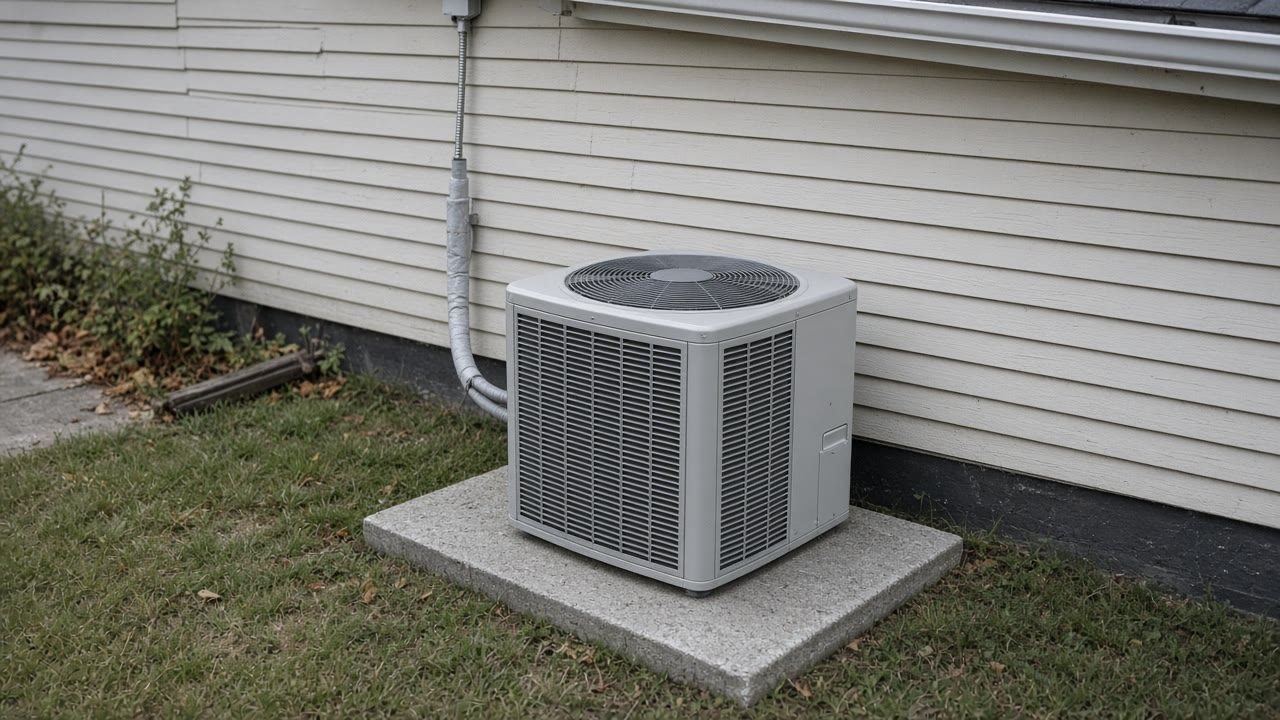
Central air conditioning installation covers the outdoor condensing unit, the matched indoor coil sitting in the furnace or air handler airstream, the refrigerant line set between them, the condensate drain, the electrical disconnect and circuit, and the controls. In this metro it is almost always an addition to a heating house rather than the primary system: the Syracuse normals record 6,651 heating degree days against 570 cooling, a ratio of nearly twelve to one, with 58.3 days a year reaching 80F and only 6.8 reaching 90F. That short season is exactly why the size matters more here, not less. NYSERDA states that dehumidification requires the system to run for an extended period, and that oversized systems have shorter run times and may fail to dehumidify the space. A cooling system that is too big leaves a house cold and damp rather than cool and dry, which is a worse summer bought at a higher purchase price.
- Central air added to a house that has ducts but has never been cooled
- Replacement of an outdoor condensing unit with its matched indoor coil
- Cooling load calculation for the house, room by room
- Evaporator coil, plenum and transition work at the furnace or air handler
- Refrigerant line set routing and outdoor unit siting
- Condensate drain, trap and pump where gravity will not do it
- Electrical disconnect and the dedicated circuit for the outdoor unit
- Equipment selection across current refrigerants and remaining pre 2025 stock
- Filter cabinet and return air work where the airflow needs it
- Thermostat and control changes for cooling
- Recovery and removal of the old outdoor unit
- Permit application where the municipality requires one
What decides whether the house ends up cool or just cold and clammy
Cooling is the part of the job where getting the size wrong shows up fastest, and where the buying decision changed most in the last two years. These are the things that move a central air quote.
The calculated cooling load, and how long the equipment will run
NYSERDA states that dehumidification requires extended run time and that oversized systems have shorter run times and may fail to dehumidify. This is the single reason to insist on the calculation rather than accept a tonnage. Sensible sizing here buys a drier house, not a colder one.
How short the cooling season actually is
June, July and August account for 483 of the 570 annual cooling degree days, and fewer than seven days a year reach 90F. Equipment sized for a Carolina summer spends a Syracuse summer starting and stopping, which is the operating pattern NYSERDA links to wear on fans, compressors and valves.
Whether the existing ductwork can carry cooling air
North Syracuse has a median build year of 1959 and Salina 1960, and housing of that vintage is typically on its second or third system inside a duct layout designed for the first one. A properly selected unit can need more air than the existing trunk will pass, and that is found before the equipment is ordered or not at all.
Which refrigerant the proposed system uses
Manufacture of residential systems above the global warming potential limit stopped on January 1, 2025 under 40 CFR 84.54, so new equipment now ships on refrigerants such as R-454B and R-32. EPA's own list records R-410A at 2,090 and R-454B at 470. Knowing which one a quote is offering decides the service picture for the life of the machine.
Whether you are being offered the outdoor unit alone
EPA listed the current refrigerants for new equipment only and defines new equipment as a completely new refrigeration circuit: new compressor, new evaporator, new condenser. A proposal to change the outdoor unit and keep the existing indoor coil is a proposal to question closely about what refrigerant the result runs on.
Where the outdoor unit can stand
The annual snowfall normal here is 123.8 inches, with 5.8 days a year bringing five inches or more. Mounting height and position are settled once, on installation day, and are awkward and expensive to change afterwards. Ask to be shown where it goes and how far above grade it sits.
Whether the furnace or air handler is changing too
The indoor coil sits in that airstream and the cabinet is open on the day the heating appliance is replaced. Doing both is a separate purchase with its own calculation, but the sequence is worth deciding deliberately rather than by accident.
Equipment size against a city mechanical license class
The City of Syracuse Board of Mechanical Examiners caps a Class C Residential license at air conditioning up to 5 tons and a Class B Limited license at units up to 30 tons. Inside the city that is a checkable fact about who may lawfully install what you have been quoted.
Bigger is the wrong lever on cooling
A unit that cannot run long enough leaves the house cold and damp. Ask what load the tonnage came from before you compare two numbers.
From the air path to the weighed charge
Look at the air path before the equipment
Where the ducts run, how big the returns are, what the upstairs rooms do on a hot afternoon and whether there is anywhere sensible for a coil to sit. An outdoor unit is the last thing that should be chosen and the first thing most quotes name.
Calculate the cooling load
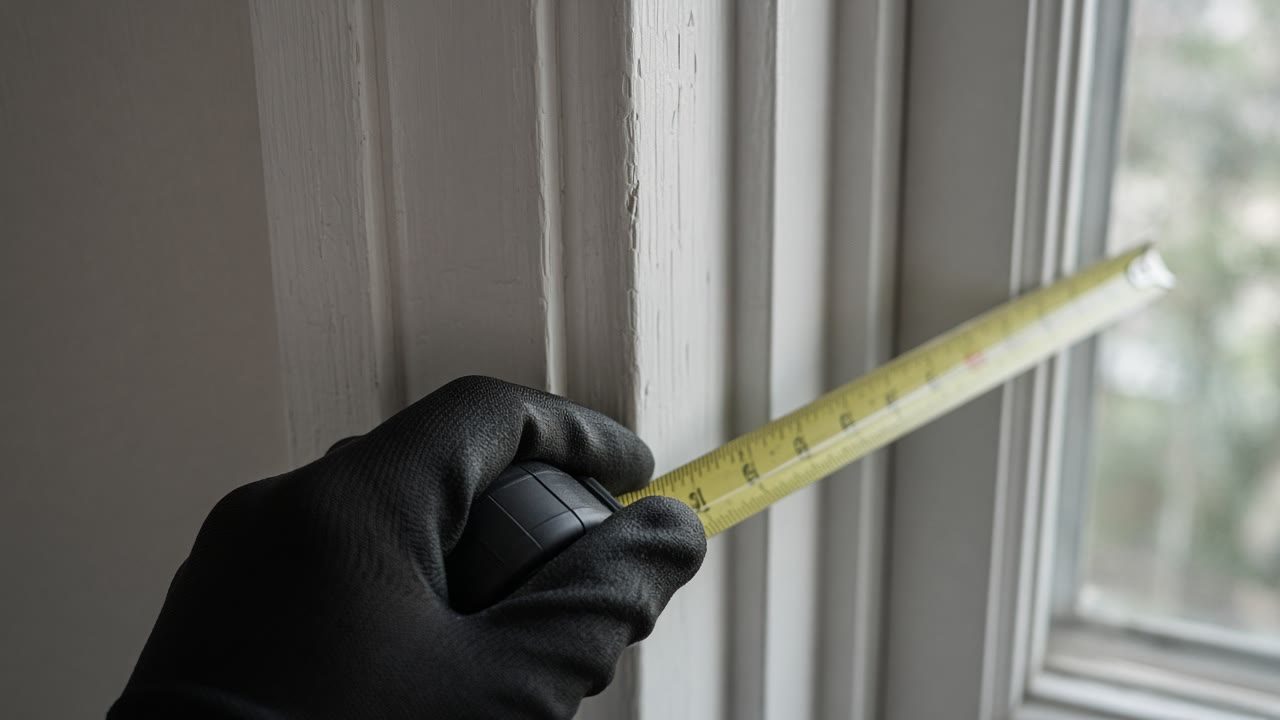
Measured areas, insulation values, window U values and the direction each window and wall faces, because south and west facing glass gains more from the sun. NYSERDA describes surfaces shared with other conditioned rooms being excluded, which is the level of detail a real calculation goes to.
Select the equipment and settle the refrigerant question
Manual S selection against the calculated load, then a deliberate choice between a current refrigerant system and remaining pre 2025 stock. EPA's rule effective July 27, 2026 removed the installation deadline for equipment made before January 1, 2025, so both are genuinely on the table and the decision is yours rather than a deadline's.
Agree the outdoor location and the line set route
Height above grade for the snow, distance from windows and from where people sit outside, and how the refrigerant lines and the condensate get from one end to the other without running through somewhere awkward.
Permit where the town asks for one
Liverpool names central air conditioning on its own list of work requiring a permit. Cicero's published wording reaches heat producing devices, chimneys and vents. Where no permit is required the work still has to comply, which 19 NYCRR 1203.3 says in as many words.
Install, charge and commission
Coil set and sealed into the plenum, line set run and evacuated, the charge weighed in, the drain trapped and tested, the circuit and disconnect made off, and the airflow across the coil actually measured rather than assumed.
Handover
You should finish with the load calculation, the equipment submittal naming the refrigerant, and the permit paperwork where one was pulled.
What central air installation looks like
Whether cooling is the purchase you actually need
When you may not need this at all
- If a couple of window units carry you through the handful of genuinely hot days, central air is a comfort purchase rather than a necessary one. The normals record 6.8 days a year reaching 90F and none reaching 100F.
- If the house already cools but feels clammy, more capacity is the wrong direction entirely. Short run times are what stop a system pulling moisture out, so a larger unit makes the complaint worse.
- If the problem is that upstairs bakes while downstairs is chilly, adding capacity may not touch it. That is usually air distribution, and it is worth ruling in or out before anyone quotes a bigger machine.
- If a contractor is urging speed because of a refrigerant installation deadline, there is not one. EPA's final rule effective July 27, 2026 removed the installation deadline for equipment manufactured before January 1, 2025.
- Onondaga County administers a HEAP cooling benefit covering the purchase and installation of an air conditioner or a fan, on a five year cycle per household. That is a different route from a central system quote, and the county is who to ask about it.
What is out of scope
- Diagnosing a system that has stopped cooling or is losing refrigerant.
- Designing or building a duct system, which is separate work.
- Ductless equipment for a house with no ducts, which sits under air distribution.
- Electrical service or panel upgrades beyond the circuit and disconnect for the equipment.
- Window and portable units.
- Any projection of what a system will cost to run.
Where we arrange central air work
- Central Air Installation in Syracuse
- Central Air Installation in North Syracuse
- Central Air Installation in East Syracuse
- Central Air Installation in Liverpool
- Central Air Installation in Cicero
- Central Air Installation in Clay
- Central Air Installation in Salina
- Central Air Installation in DeWitt
- Central Air Installation in Manlius
- Central Air Installation in Fayetteville
- Central Air Installation in Camillus
- Central Air Installation in Baldwinsville
- Central Air Installation in Marcellus
- Central Air Installation in Skaneateles
- Central Air Installation in Solvay
Cooling questions worth asking before you sign
Should I just get the biggest unit that fits the budget?
No, and cooling is where that goes wrong fastest. NYSERDA states that dehumidification requires the system to run for an extended period and that oversized systems have shorter run times and may fail to dehumidify the space. The house ends up cold and damp. NYSERDA also puts the start of real comfort and energy impacts at 120 percent of the building load, with severe effects possible above 150 percent.
My system uses R-410A. What does that mean for me?
It means the machine you have is serviceable and the machine you buy will probably be different. Under 40 CFR 84.54, manufacture and sale of residential systems using refrigerants above the global warming potential limit stopped on January 1, 2025, so new systems ship on R-454B, R-32 and similar. Equipment built before that date is still installable, because EPA removed the installation deadline in a final rule effective July 27, 2026.
Can I replace just the outdoor unit and keep the coil?
Ask hard about that one. EPA listed the current refrigerants for use in new equipment only, states in terms that they may not be used as a conversion or retrofit refrigerant for existing equipment, and defines new equipment as a completely new circuit with a new compressor, evaporator and condenser. A matched circuit is what the listing contemplates.
Do I need new ducts to add central air?
Sometimes, and it is worth finding out before the equipment is ordered rather than after. A duct system laid out decades ago for warm air was not designed around a cooling load, and in a house with no ducts at all the answer is often ductless equipment instead. Either way that is a distribution question and it has its own page.
When is the sensible time to get quotes?
Ahead of the season rather than inside it. Cooling here does its real work across about eight weeks, June to August carrying 483 of the 570 annual cooling degree days, and that is the window in which everybody else is calling too. Spring is a calmer time to be comparing proposals on their merits.
Tell us what the upstairs does in July
That, and whether there are ducts, is most of what decides whether central air is the right answer for your house.