
Central Air Installation Across the Town of Clay
Clay is the largest housing stock in the county and much of it is now old enough for its original cooling to be the thing being replaced.
Central Air Installation quote in Clay
Share a few details so we can confirm coverage and arrange the right next step.
Would you rather talk it through? Call (315) 640-3590, answered 24/7.
$100 off your first job
Credited by us on your first booked job.
- One credit per customer per property, on your first booked job.
- Valid through December 31, 2026.
Mention this offer when you book. Full terms.
What the spread of Clay's housing does to a cooling quote
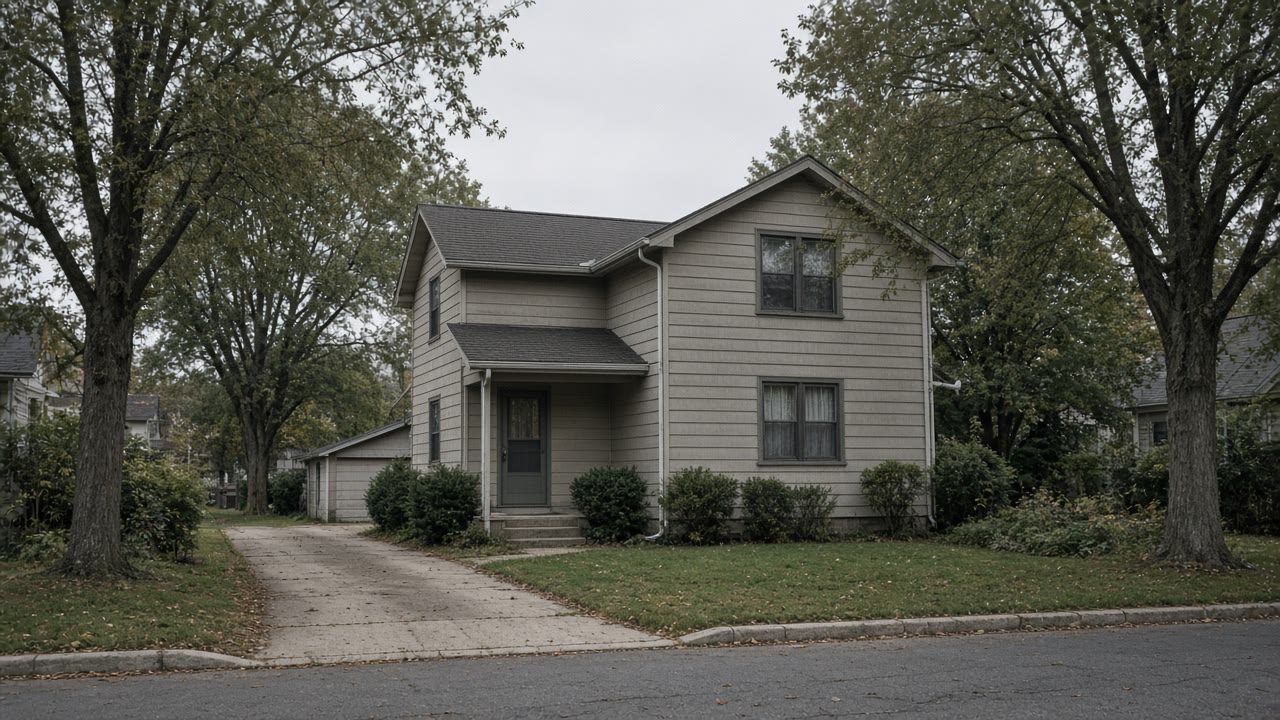
The American Community Survey 2020-2024 five-year estimates put the median year structure built in the town of Clay at 1978, plus or minus 1 year. Of 26,282 housing units, the largest count of any municipality in the county, only 831 were built in 1939 or earlier, 3.2 percent, 14,459 before 1980, 55.0 percent, and 4,053, 15.4 percent, in 2000 or later. Of 25,725 occupied units, 17,654 are heated with utility gas, 68.6 percent, 6,334 with electricity, 24.6 percent, and 832 with bottled, tank or LP gas, 3.2 percent. 18,316 units, 71.2 percent, are owner occupied.
Source: US Census Bureau, American Community Survey 2020-2024 5-year estimates, tables B25034, B25035, B25040 and B25003, Clay town, Onondaga County, New York, accessed 2026-09-14
The Town of Clay Department of Codes page names building permits as one of its service areas but does not publish a schedule of the work that requires one. It gives the commissioner as Joseph Grispino, an email address of codes@townofclayny.gov and a telephone number of (315) 652-3800 extension 172.
Source: Town of Clay, New York, Department of Codes, accessed 2026-09-14
NYSERDA states that heat pumps dehumidify the air as they cool, that in theory a larger system would wick more moisture from the air than a smaller one, but that the process of dehumidification requires the system to run for an extended period, and oversized systems have shorter run times and may fail to dehumidify the space.
Source: New York State Energy Research and Development Authority, Air Source Heat Pumps: Don't Oversize, section headed Dehumidification, accessed 2026-09-14
NYSERDA's fact sheet Air Source Heat Pumps: Don't Oversize states that the impacts on energy use and comfort begin when air source heat pump systems are sized at 120 percent of the building load, that severe impacts of oversizing can begin when systems are sized above 150 percent, and that at a certain point the system may be entirely unable to achieve heating or cooling. It adds that oversized heat pumps are costly, reduce comfort, and are more problematic than an oversized fossil fuel furnace or boiler.
Source: New York State Energy Research and Development Authority, Air Source Heat Pumps: Don't Oversize, fact sheet CHC-CON-ashp-oversize-fs-1-v2, published July 2023, accessed 2026-09-14
Two different Clay cooling jobs under one town name
With 26,282 housing units, Clay has more homes than any other municipality in Onondaga County, 14,459 of them built before 1980 and 4,053 built in 2000 or later. That spread is why cooling quotes here vary so much. A house from the 1970s is usually having cooling added or re-added to a duct system designed around a furnace, while a house from 2005 is replacing a matched system that went in with the building. They are different jobs with different risks, and the first thing a good visit establishes is which one yours is. What both need is a calculated load rather than a tonnage read off whatever is standing outside now.
Choosing cooling in the county's biggest housing stock
Size is where cooling goes wrong fastest and the direction of the error is counterintuitive. NYSERDA states that dehumidification requires the system to run for an extended period and that oversized systems have shorter run times and may fail to dehumidify the space, so a bigger machine produces a house that is cold and damp rather than cool and dry. Its published thresholds put the start of comfort and energy impacts at 120 percent of the building load and severe impacts above 150 percent. On the paperwork, Clay publishes no schedule of permitted work at all, so whether a cooling installation needs one here is a question for the Department of Codes rather than for a website.
Establish which Clay house you have
Adding cooling to 1970s ductwork and replacing a matched system from 2005 are different jobs with different unknowns.
Long run times, not big numbers
NYSERDA ties dehumidification to extended run time. Oversizing shortens the runs and leaves the humidity behind.
Ask the codes office, because nothing is published
The Department of Codes lists building permits as a service area without a schedule of the work involved, so the call decides it.
Find out which Clay job this is
Tell us the build year and what is outside now, and we will arrange the right kind of visit.
More system work across the town of Clay
Cooling questions from around Clay
My house is from 1974 and has ducts. Is adding cooling straightforward?
It is often reasonable and it is not automatic. A duct layout drawn for a warm air furnace was not designed around a cooling load, so somebody has to establish what the trunk and the returns will pass before a tonnage is agreed. That survey is cheap compared with discovering the answer after installation.
Does Clay require a permit for air conditioning?
The town publishes a codes office contact but no list of the work that needs a permit, so no page can answer it for your address. Call (315) 652-3800 extension 172 or email the department, and get the answer written into the quote before the equipment is ordered.
Ask what load the tonnage came from
Send the Clay address and we will line up quotes that can answer that without hesitating.