
Central Air Installation in North Syracuse, NY
A correctly chosen cooling system can need more air than a 1959 trunk will pass, and that is a thing to discover at the quote rather than in July.
Central Air Installation quote in North Syracuse
Share a few details so we can confirm coverage and arrange the right next step.
Would you rather talk it through? Call (315) 640-3590, answered 24/7.
$100 off your first job
Credited by us on your first booked job.
- One credit per customer per property, on your first booked job.
- Valid through December 31, 2026.
Mention this offer when you book. Full terms.
Why almost no North Syracuse house was built with cooling in mind
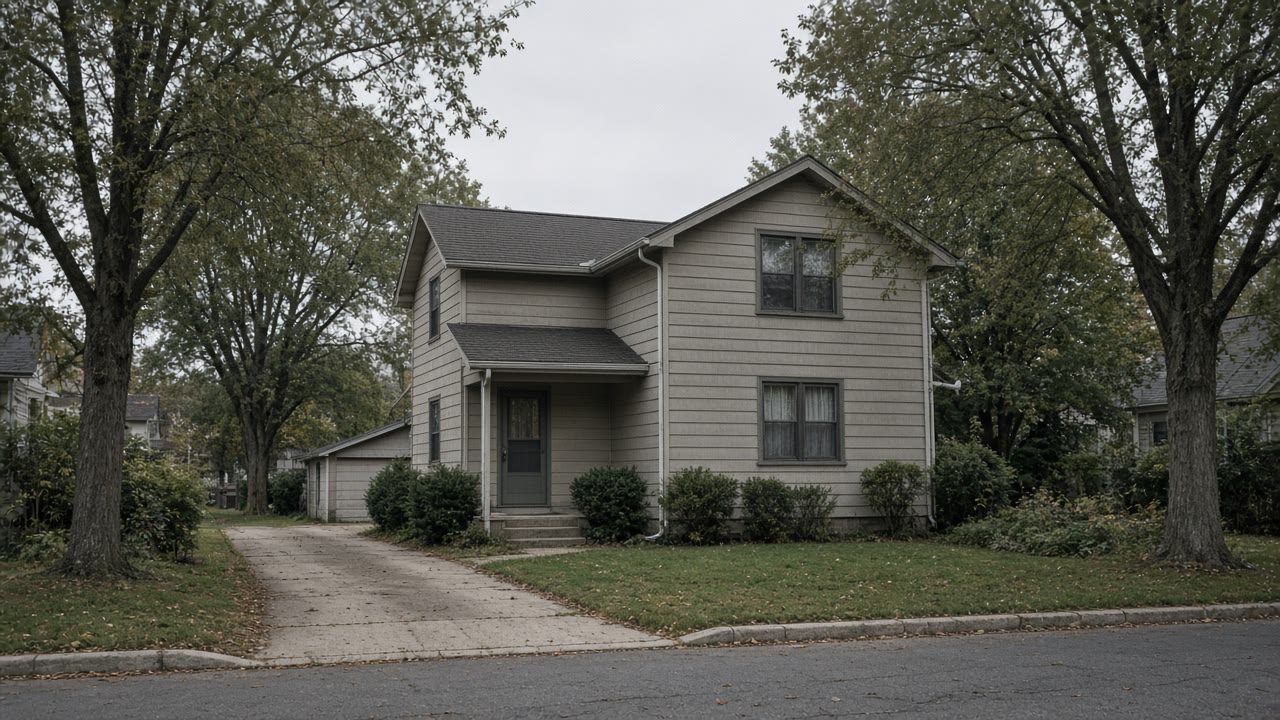
The American Community Survey 2020-2024 five-year estimates put the median year structure built in North Syracuse village at 1959, plus or minus 2 years. Of 3,072 housing units, 459 were built in 1939 or earlier, 14.9 percent, and 2,661 before 1980, 86.6 percent, with 144 units, 4.7 percent, built in 2000 or later.
Source: US Census Bureau, American Community Survey 2020-2024 5-year estimates, tables B25034 and B25035, North Syracuse village, New York, accessed 2026-09-14
NYSERDA states that heat pumps dehumidify the air as they cool, that in theory a larger system would wick more moisture from the air than a smaller one, but that the process of dehumidification requires the system to run for an extended period, and oversized systems have shorter run times and may fail to dehumidify the space.
Source: New York State Energy Research and Development Authority, Air Source Heat Pumps: Don't Oversize, section headed Dehumidification, accessed 2026-09-14
NYSERDA's fact sheet Air Source Heat Pumps: Don't Oversize states that the impacts on energy use and comfort begin when air source heat pump systems are sized at 120 percent of the building load, that severe impacts of oversizing can begin when systems are sized above 150 percent, and that at a certain point the system may be entirely unable to achieve heating or cooling. It adds that oversized heat pumps are costly, reduce comfort, and are more problematic than an oversized fossil fuel furnace or boiler.
Source: New York State Energy Research and Development Authority, Air Source Heat Pumps: Don't Oversize, fact sheet CHC-CON-ashp-oversize-fs-1-v2, published July 2023, accessed 2026-09-14
What the village's prewar-to-1980 housing does to a cooling retrofit
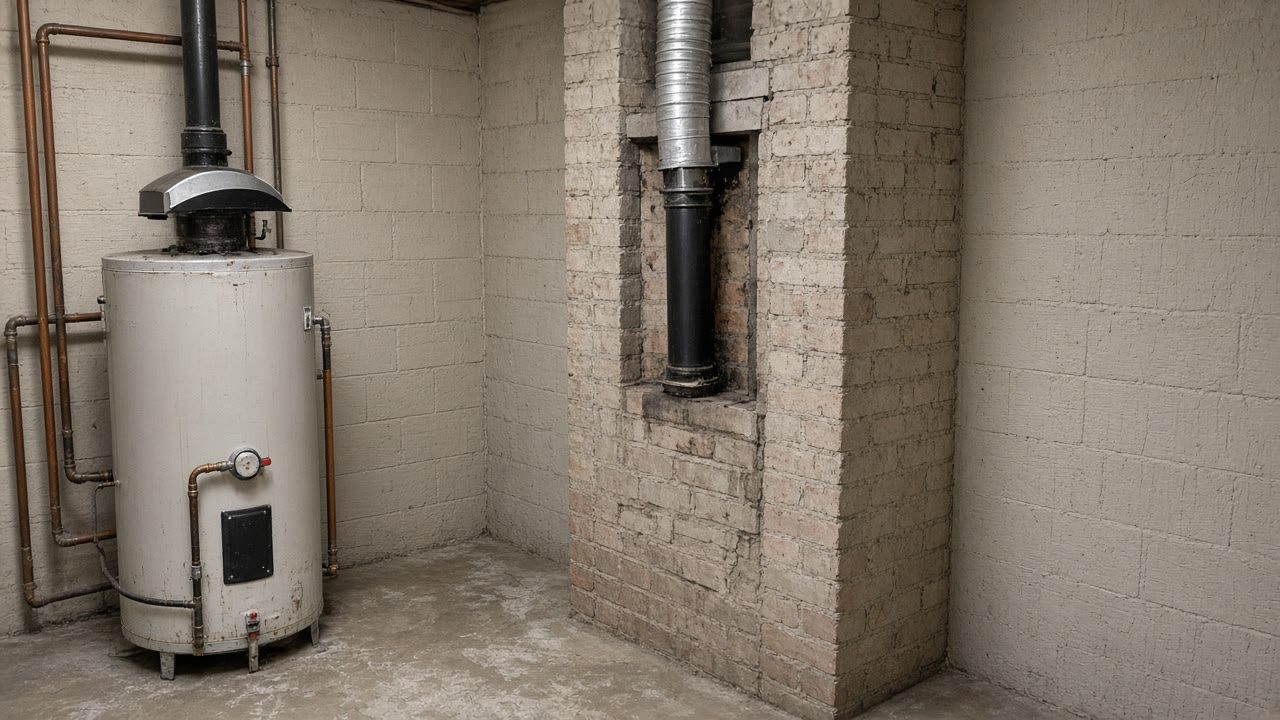
Cooling is where the age of a village duct system shows itself fastest. Only 144 of the 3,072 homes in North Syracuse were built in 2000 or later, so almost every house here is moving cooled air through metal laid out for warm air decades ago. Warm air and cooled air are not the same delivery problem: cooling has to run long and steadily to pull moisture out, and a system that cannot get enough air across its coil will not do it. So the duct survey belongs before the equipment order in this village, not after it, and an installer who wants to look at the basement before naming a tonnage is doing you a favor rather than padding the visit.
Choosing cooling for a North Syracuse house
The size is the other half of the same problem, and bigger is the wrong lever. NYSERDA states that dehumidification requires the system to run for an extended period and that oversized systems have shorter run times and may fail to dehumidify the space, which is how a house ends up cold and clammy on a humid August afternoon. Its published thresholds are that impacts on comfort and energy use begin at 120 percent of the building load and that severe impacts can begin above 150 percent. Ask what load the tonnage came from. If a couple of window units already get you through the handful of genuinely hot days, waiting a year is a legitimate answer.
The trunk before the tonnage
A village house built in 1959 has ducts that were sized for the original appliance. What they will pass decides what can sensibly be fitted.
Run time, not raw capacity
NYSERDA links short run times to a system that fails to dehumidify. A bigger machine makes a clammy house worse rather than better.
Where the outdoor unit stands
The snowfall normal here is 123.8 inches a year. Mounting height and position are settled once, on installation day, and are awkward to change afterwards.
Ask about the trunk before the tonnage
Tell us what the house does in August and we will arrange people who survey the air path first.
Cooling questions from North Syracuse homeowners
Do I need new ducts to add central air here?
Sometimes, and it is much cheaper to find out first. A layout drawn decades ago for a warm air furnace was never designed around a cooling load, so the honest sequence is to survey the air path, then calculate the load, then select the equipment. Any order other than that is guessing with a price attached.
The house cools but feels damp. Would a bigger unit fix it?
It would make it worse. Moisture comes out of the air during extended run time, so shorter cycles remove less of it. NYSERDA puts the start of real comfort and energy impacts at 120 percent of the building load, which is why the calculation matters more than the catalog.
Send the village address and the duct story
Whether there are usable ducts, and how many returns, is most of what decides this job.