
Central Air Replacement in the County's Newest Housing
Cicero replaces cooling in waves, because its houses went up in waves, and that gives you neighbors to compare notes with.
Central Air Installation quote in Cicero
Share a few details so we can confirm coverage and arrange the right next step.
Would you rather talk it through? Call (315) 640-3590, answered 24/7.
$100 off your first job
Credited by us on your first booked job.
- One credit per customer per property, on your first booked job.
- Valid through December 31, 2026.
Mention this offer when you book. Full terms.
What the newest housing in the county changes about a cooling replacement
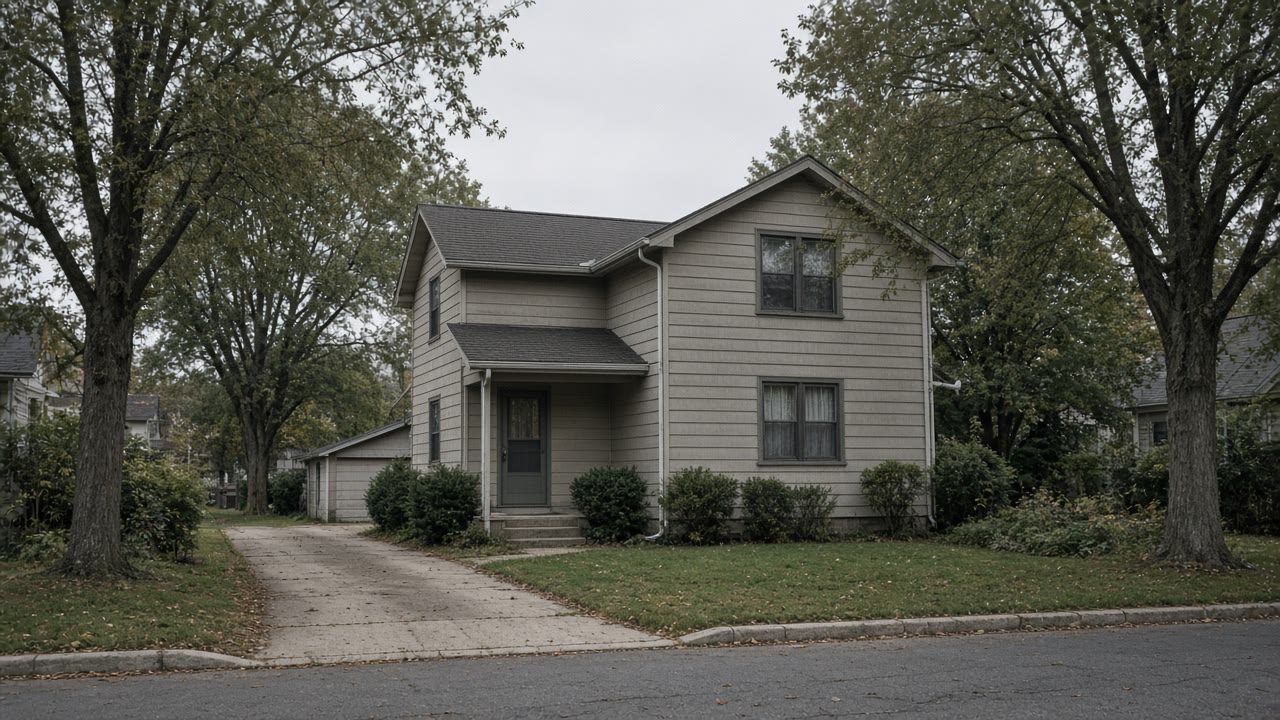
The American Community Survey 2020-2024 five-year estimates put the median year structure built in the town of Cicero at 1980, plus or minus 2 years, the newest median of any municipality in Onondaga County. Of 13,584 housing units, 932 were built in 1939 or earlier, 6.9 percent, 6,734 before 1980, 49.6 percent, and 2,594, 19.1 percent, were built in 2000 or later.
Source: US Census Bureau, American Community Survey 2020-2024 5-year estimates, tables B25034 and B25035, Cicero town, Onondaga County, New York, accessed 2026-09-14
The federal rule that changed residential air conditioning is 40 CFR 84.54. Paragraph (a)(1) makes it effective January 1, 2025 for self-contained residential and light commercial air conditioning and heat pump products using a regulated substance, or a blend containing one, with a global warming potential of 700 or greater. Paragraph (c)(1) does the same from the same date for residential or light commercial air conditioning or heat pump systems above that same 700 limit, except variable refrigerant flow systems. The restriction in paragraph (a) is on manufacture, import, sale, distribution and export of the product, and the restriction in paragraph (c) is on installing a new system.
Source: 40 CFR 84.54(a) and (c), Restrictions on use of regulated substances, Technology Transitions under the American Innovation and Manufacturing Act of 2020, via the Electronic Code of Federal Regulations, accessed 2026-09-14
EPA's summary of its final rule at 91 FR 31284 states that it allows the inventory of residential and light commercial air conditioning and heat pump equipment that was manufactured in the United States or imported into the United States before January 1, 2025, to continue to be installed. The list of changes the rule makes puts it as removing the installation deadline for systems in the residential and light commercial air conditioning and heat pumps subsector, where all specified components of such systems were domestically manufactured or imported before January 1, 2025. The rule is effective July 27, 2026.
EPA listed R-32, R-452B, R-454A, R-454B, R-454C and R-457A for residential and light commercial air conditioning and heat pumps subject to use conditions, and the first use condition is new equipment only. EPA writes that these refrigerants may be used under the SNAP program only in new equipment designed to address concerns unique to flammable refrigerants, that this listing does not allow these substitutes to be used as a conversion or retrofit refrigerant for existing equipment, and that none of these substitutes are being listed for use as a conversion or retrofit refrigerant for existing equipment. A footnote defines new equipment as a completely new refrigeration circuit containing a new compressor, evaporator, and condenser.
Source: US Environmental Protection Agency, Protection of Stratospheric Ozone: Listing of Substitutes Under the Significant New Alternatives Policy Program, final rule, 86 FR 24444, May 6, 2021, accessed 2026-09-14
Why Cicero replaces cooling street by street
The median year a home was built in Cicero is 1980, the newest of any municipality in Onondaga County, and 2,594 of its 13,584 units went up in 2000 or later. That matters for cooling more than for anything else, because these are houses that were fitted with central air from the start rather than retrofitted decades later. The consequence is timing: systems installed together reach twenty and twenty five years old together, which is why a street here can see four outdoor units changed in one season. It also means the ducts were usually designed alongside the house, so the questions here are about equipment selection and refrigerant rather than about whether air can reach the far bedroom.
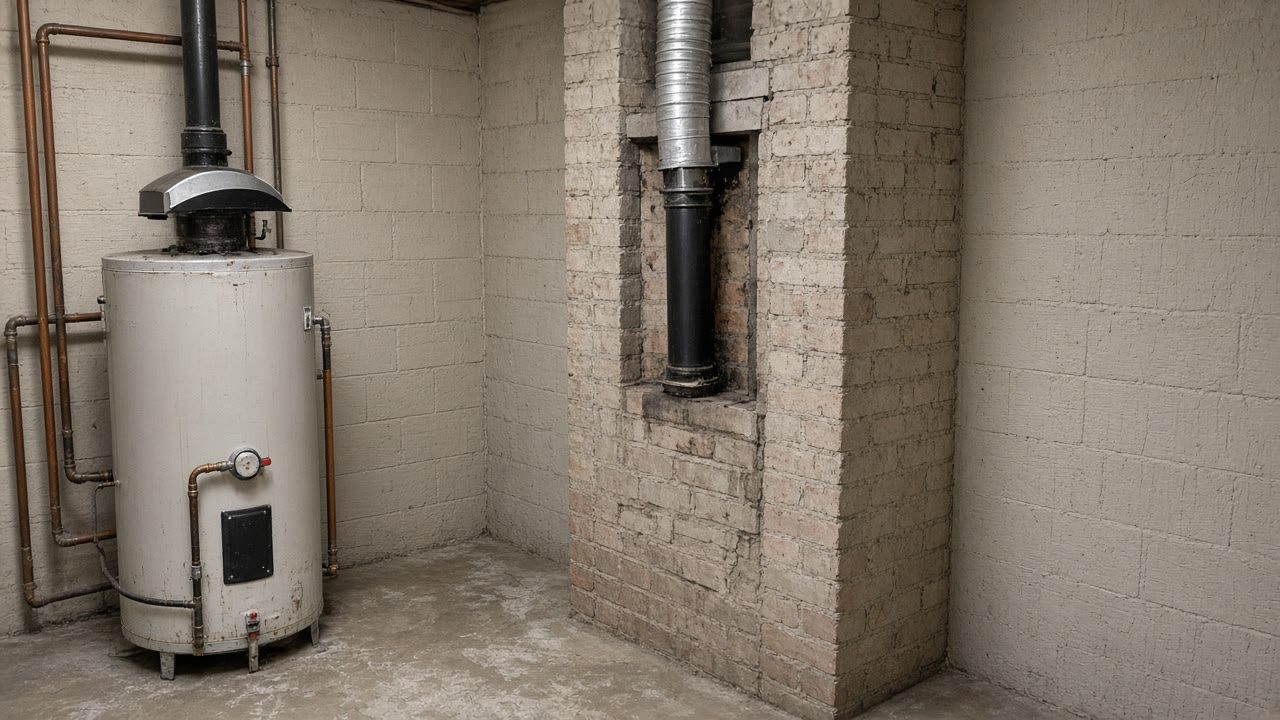
Replacing a Cicero cooling system twenty years on
The one thing that genuinely changed for a buyer recently is what you are allowed to be sold. Manufacture and sale of residential systems using refrigerants above the global warming potential limit stopped on January 1, 2025, so new equipment ships on R-454B, R-32 and similar, and EPA's rule effective July 27, 2026 removed the installation deadline for stock made before that date. So two proposals on the same driveway may be on different refrigerants and both be legitimate. What is not legitimate is replacing the outdoor unit alone and calling the result a new system: EPA lists the current refrigerants for new equipment only and defines new equipment as a completely new circuit with a new compressor, evaporator and condenser.
Ask which refrigerant, and why that one
Both current refrigerant equipment and pre-2025 stock are installable. Knowing which you are buying decides the service picture for the life of the machine.
Outdoor unit alone is a question
EPA defines new equipment as a complete new circuit: compressor, evaporator and condenser. A proposal to change half of one deserves a close look.
Size it from the house it is now
A house insulated or reglazed since 1985 is not the house the original unit was chosen for, and the nameplate does not know that.
Get the refrigerant named in the quote
Send the Cicero address and we will arrange proposals that say which one and what it means for you.
Cooling questions from Cicero homeowners
Three neighbors replaced theirs last summer. Should I?
Only if yours is actually done. Houses built in the same year reach the same age at the same time, which is why the street replaces together, but the Energy Information Administration puts 31.1 percent of main heating and cooling equipment in this census division at twenty years or older and most of it is still working. Age is a prompt to plan, not a verdict.
My system uses R-410A. Is it a problem?
Not for the machine you have. Manufacture and sale of new residential systems above the global warming potential limit stopped on January 1, 2025, which is a rule about what can be built and sold rather than about what you own. Equipment made before that date can still be installed, and yours can still be serviced.
Twelve years old and still cooling
Then this is not your conversation yet, and we will say so. When it is, tell us and we will line the quotes up.