
Duct Balance and Returns in Cicero's Post-1980 Houses
In most Cicero houses the ducts exist and were drawn with the house, which makes the uncomfortable bedroom a different problem from an old village one.
Ductwork quote in Cicero
Share a few details so we can confirm coverage and arrange the right next step.
Would you rather talk it through? Call (315) 640-3590, answered 24/7.
$100 off your first job
Credited by us on your first booked job.
- One credit per customer per property, on your first booked job.
- Valid through December 31, 2026.
Mention this offer when you book. Full terms.
Balance, returns or equipment in a Cicero house
Rule the equipment out first, because it produces the same symptom. NYSERDA describes an oversized system pushing hot or cold air toward the thermostat before it mixes evenly into the space, so the thermostat falsely senses it is satisfied and shuts off early, leaving uneven temperatures through the house. That is a sizing fault and new metal will not touch it. When it genuinely is distribution, the question to ask is whether Manual D was used: NYSERDA names it alongside Manual J for the load and Manual S for the equipment when it instructs contractors to do their own sizing rather than reach for rules of thumb. If the answer is a blank look, you have learned something useful.
One thermostat, two floors
A common Cicero arrangement and a common reason the upstairs and the downstairs disagree. Zoning and damper work are proportionate answers.
Count the returns in the bedrooms
A closed bedroom door with no return path is a small construction detail with a large comfort effect, and it is cheap to correct.
Ask whether Manual D exists for your house
It is the duct half of the same method NYSERDA names for loads and equipment, and it is the part homeowners are never offered.
What post-1980 construction means for a Cicero airflow complaint
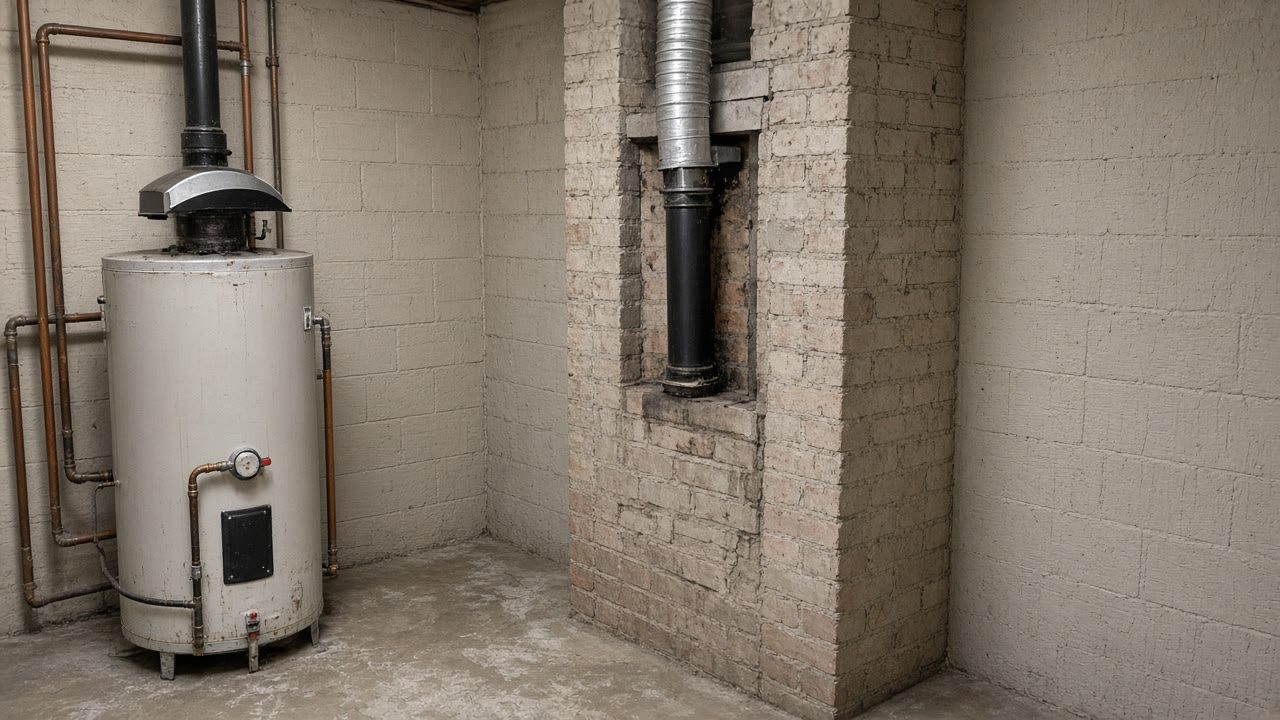
The American Community Survey 2020-2024 five-year estimates put the median year structure built in the town of Cicero at 1980, plus or minus 2 years, the newest median of any municipality in Onondaga County. Of 13,584 housing units, 932 were built in 1939 or earlier, 6.9 percent, 6,734 before 1980, 49.6 percent, and 2,594, 19.1 percent, were built in 2000 or later.
Source: US Census Bureau, American Community Survey 2020-2024 5-year estimates, tables B25034 and B25035, Cicero town, Onondaga County, New York, accessed 2026-09-14
NYSERDA describes low-load cycling as what happens when the minimum capacity of the system is higher than the load of the home, so that the system repeatedly cycles on and off, which it says results in inefficient operation, high energy bills and increased wear to the mechanical components. It states that constant cycling stresses the equipment and increases wear and tear, which can lead to premature breakdown of components such as fans, the compressor or valves. It also states that an oversized system can push hot or cold air towards the thermostat before it mixes evenly into the space, so the system falsely senses the setting is satisfied and shuts off early, leading to uneven air temperatures throughout the house.
Source: New York State Energy Research and Development Authority, Air Source Heat Pumps: Don't Oversize, sections headed Operational Issues, Comfort and Shorter Equipment Lifespan, accessed 2026-09-14
The Building America Solution Center, funded by the US Department of Energy and operated by Pacific Northwest National Laboratory, states that rules of thumb lead to excessively oversized systems, and that this leads to increased cost, wasted energy, and too-frequent on and off cycling, which can lead to comfort and efficiency issues.
Source: US Department of Energy, Building America Solution Center, Proper Sizing of HVAC System, operated by Pacific Northwest National Laboratory, accessed 2026-09-14
What ductwork involves
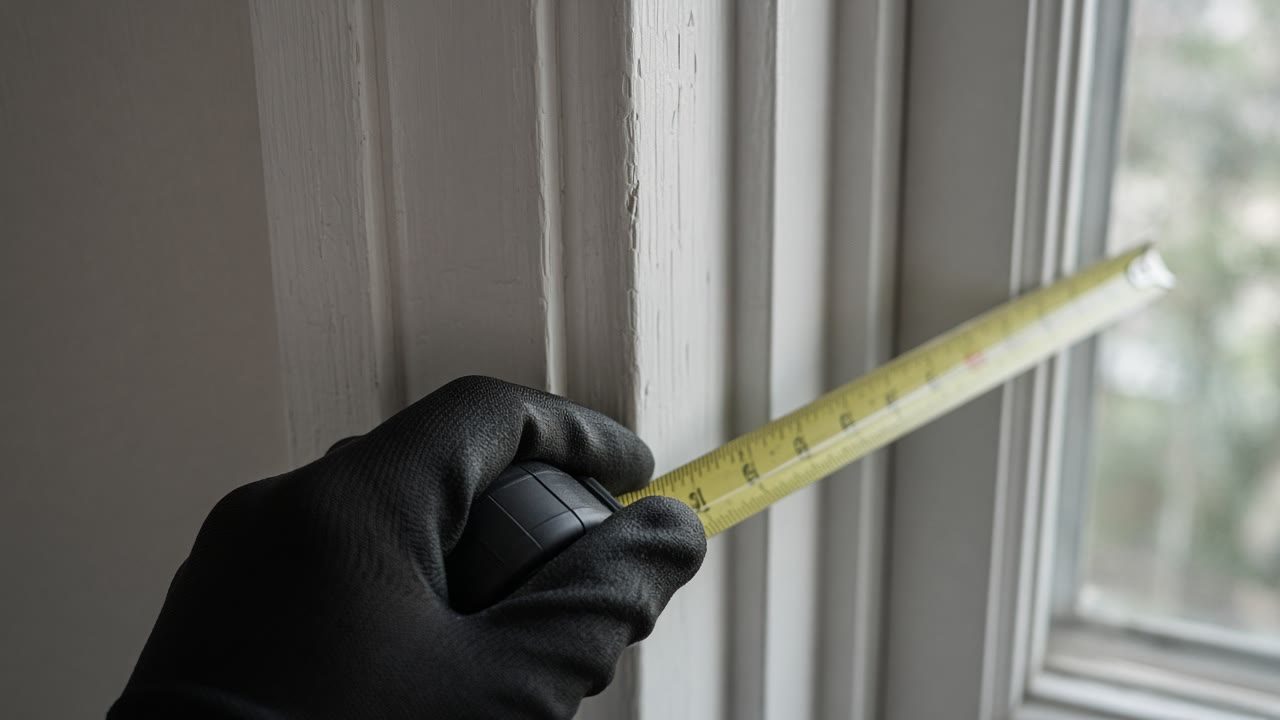
The uncomfortable room in a house whose ducts were designed in
Half of Cicero was built after 1980, the only municipality in the county where that is true, and 2,594 of its homes went up in 2000 or later. So the usual Cicero distribution complaint is not that air cannot get to a room. It is that a two story house has one thermostat, the upstairs bakes in July and the bonus room over the garage never settles in either season. That is a balance, return and zoning conversation rather than a construction one, and the remedies are proportionate: added returns, damper work, register and grille sizing, and occasionally a zone. None of that requires the ceilings to come down, which is what makes it worth diagnosing carefully before anybody proposes a bigger machine.
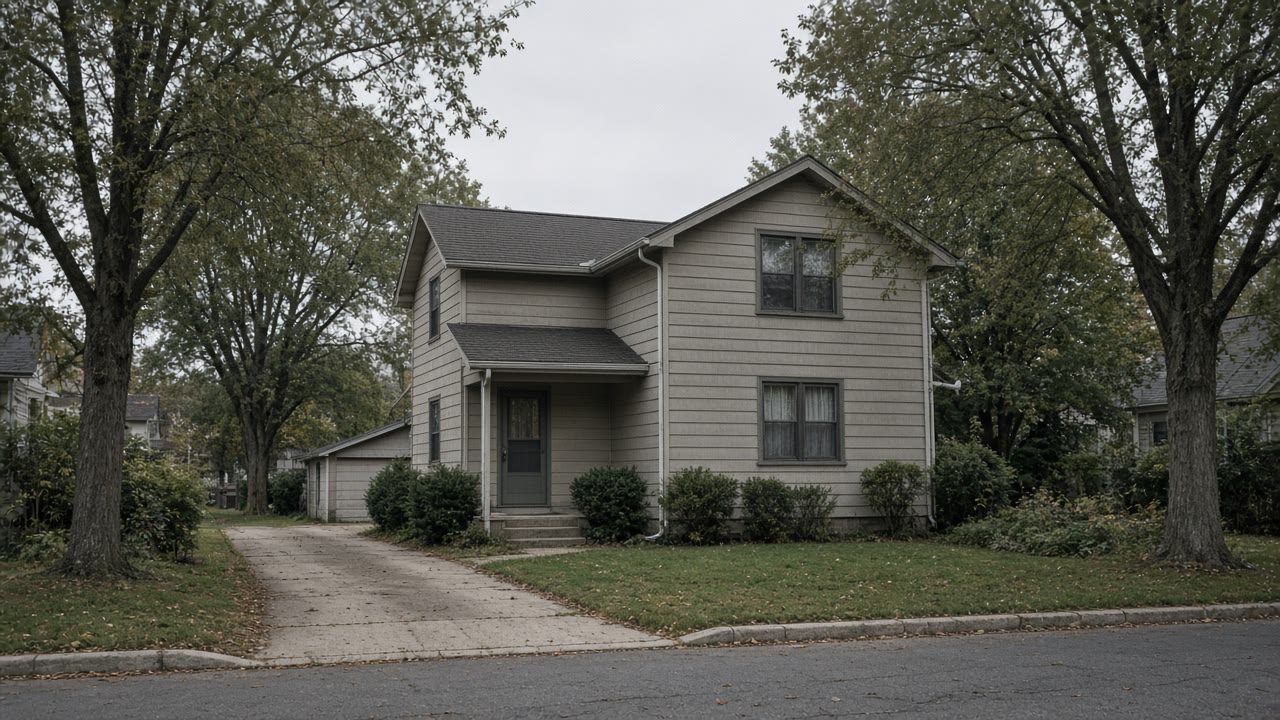
Cheap tests before expensive metal
Tell us which room and which season and we will arrange somebody who narrows it before quoting.
Airflow questions from Cicero homeowners
The room over the garage is never right. Is that fixable without rebuilding?
Usually, and the cheap tests come first: how it behaves with the door open against closed, whether it has a return at all, and whether the supply run to it is longer and smaller than the rest. Those three answers narrow it to balance work, a return, or a genuine capacity problem in that zone.
The contractor says the system is too small for the house. Is that likely?
It is possible and it is also the most common misdiagnosis. The Building America Solution Center, funded by the Department of Energy, states that rules of thumb lead to excessively oversized systems, with increased cost, wasted energy and frequent cycling. Ask for the measured load before agreeing to more capacity.
Name the room that never settles
Send the Cicero address and we will get the air path looked at rather than the catalog.