
Ductwork and Air Distribution in DeWitt and Jamesville
Duct work is the part of a system project where scope drifts most, and DeWitt is the town that makes the scope a signed document.
Ductwork quote in DeWitt
Share a few details so we can confirm coverage and arrange the right next step.
Would you rather talk it through? Call (315) 640-3590, answered 24/7.
$100 off your first job
Credited by us on your first booked job.
- One credit per customer per property, on your first booked job.
- Valid through December 31, 2026.
Mention this offer when you book. Full terms.
What DeWitt's housing spread means for the air path
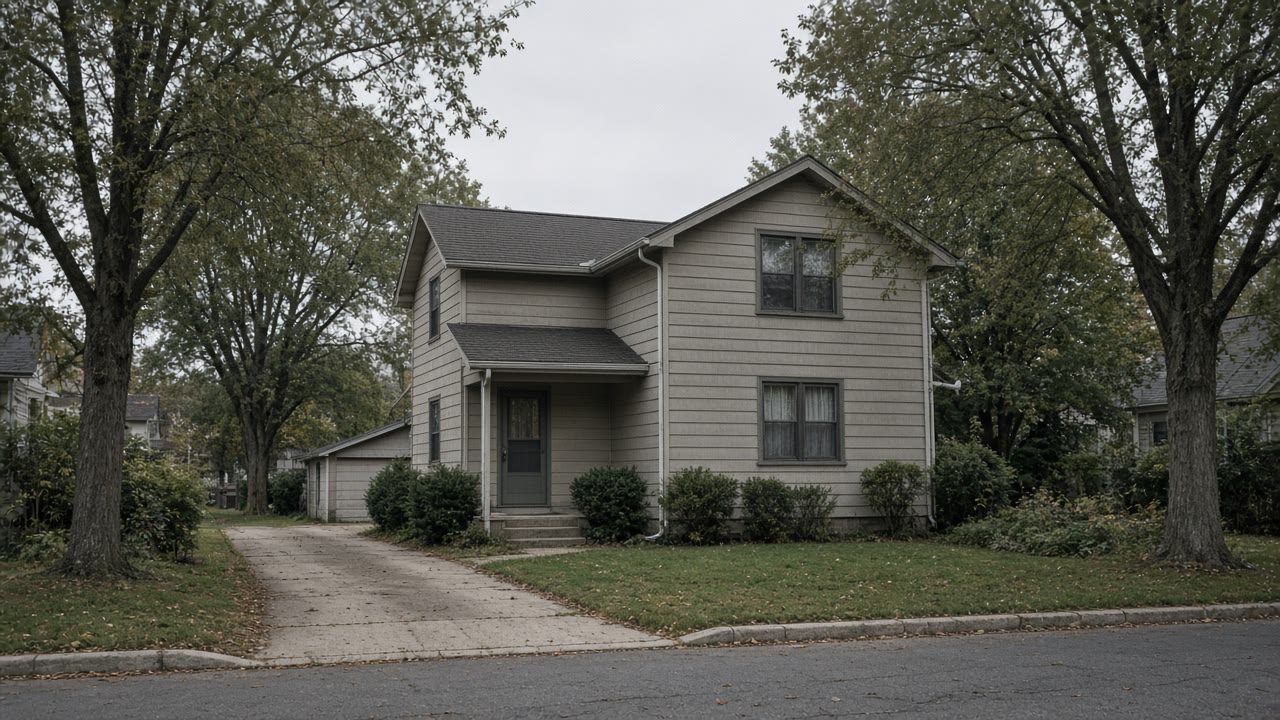
The American Community Survey 2020-2024 five-year estimates put the median year structure built in the town of DeWitt at 1963, plus or minus 2 years, and in the DeWitt census designated place at 1964, plus or minus 2 years. Of the town's 10,996 housing units, 2,054 were built in 1939 or earlier, 18.7 percent, and 8,336 before 1980, 75.8 percent. Of 10,282 occupied units in the town, 8,155 are heated with utility gas, 79.3 percent, and 1,659 with electricity, 16.1 percent. In the DeWitt CDP the utility gas share is 83.1 percent of 4,154 occupied units, among the highest in the county, with electricity at 14.2 percent.
Source: US Census Bureau, American Community Survey 2020-2024 5-year estimates, tables B25034, B25035, B25040 and B25003, De Witt town and De Witt CDP, Onondaga County, New York, accessed 2026-09-14
The Town of DeWitt states that with the exception of minor repairs, a permit is needed to upgrade, modify, or install any fixed or movable improvements or structures to real property, and advises contacting the Planning and Zoning office where there is any doubt. A complete application includes the permit application form, a copy of a current survey, with photographs not accepted, a signed estimate, and the permit fee determined using the fee schedule.
Source: Town of DeWitt, New York, Department of Planning and Zoning, Permits, accessed 2026-09-14
Section R503.1 of the Energy Conservation Construction Code of New York State states that alterations to any building or structure shall comply with the requirements of the code for new construction, and that an alteration shall be such that the existing building is not less conforming than it was before. Section R503.1.2, Heating and cooling systems, states that new heating, cooling and duct systems that are part of the alteration shall comply with Section R403, the section that contains the Manual S and Manual J sizing requirement. The only exception given at R503.1.2 relieves duct systems with less than 40 linear feet in unconditioned spaces from duct testing.
Source: Energy Conservation Construction Code of New York State 2020, Chapter 5 [RE] Existing Buildings, sections R503.1 and R503.1.2, via UpCodes, accessed 2026-09-14
NYSERDA describes low-load cycling as what happens when the minimum capacity of the system is higher than the load of the home, so that the system repeatedly cycles on and off, which it says results in inefficient operation, high energy bills and increased wear to the mechanical components. It states that constant cycling stresses the equipment and increases wear and tear, which can lead to premature breakdown of components such as fans, the compressor or valves. It also states that an oversized system can push hot or cold air towards the thermostat before it mixes evenly into the space, so the system falsely senses the setting is satisfied and shuts off early, leading to uneven air temperatures throughout the house.
Source: New York State Energy Research and Development Authority, Air Source Heat Pumps: Don't Oversize, sections headed Operational Issues, Comfort and Shorter Equipment Lifespan, accessed 2026-09-14
Why a DeWitt duct scope should name rooms, not areas
Distribution work has more room for a scope to slide than any other part of this trade: which trunks, which branches, how many returns, which ceilings come down and what making good covers. In DeWitt that ambiguity runs into the town's paperwork, because a complete permit application includes a signed estimate alongside the form, a current survey and the fee. Use the requirement rather than resenting it. A duct scope that names the rooms, the routes, the returns being added and the making good is a document you can hold two contractors to, and in this town it is a document that has to exist anyway.
Scoping duct work in a DeWitt house
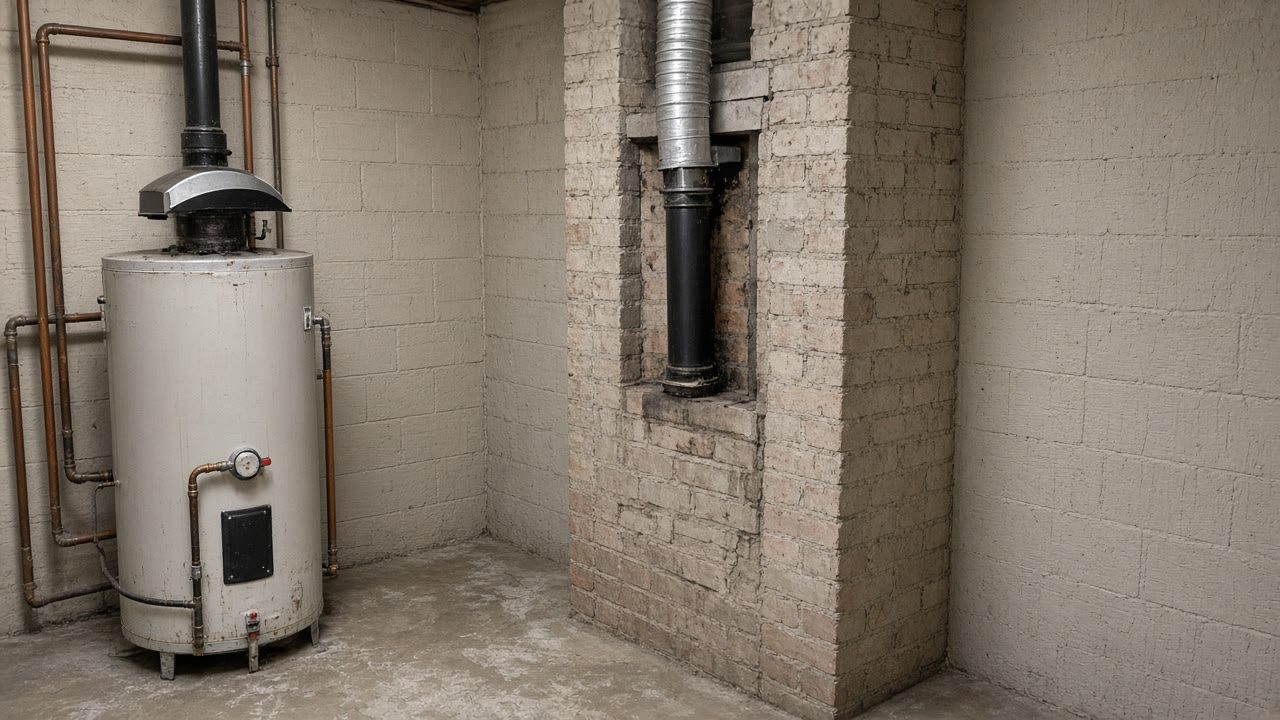
The house sets what is possible. DeWitt's median build year is 1963 and 2,054 of its units date from 1939 or earlier, so the town contains both the postwar ranch with one central return and the older house with no sensible chase at all. Before opening anything, rule out the equipment: NYSERDA describes an oversized system pushing air toward the thermostat before it mixes into the room, so it shuts off early and the far rooms never catch up, which is the same complaint people bring about ducts. And where the duct run through unheated space is short, the energy code publishes an exception relieving systems with less than 40 linear feet in unconditioned spaces from duct testing.
Name rooms, routes and making good
A scope that says improve airflow upstairs is not a scope. The signed estimate DeWitt requires is the place to fix that.
Rule the equipment out first
Short cycling on an oversized system produces uneven rooms that no amount of new duct will cure.
Ask about the 40 linear foot exception
The energy code relieves duct systems with less than 40 linear feet in unconditioned spaces from duct testing. Ask which side your run falls on.
Five points, two quotes, one comparison
Tell us which rooms fail and we will arrange proposals written against the same list.
Other work we arrange for DeWitt properties
Air distribution questions from DeWitt and Jamesville
How do I compare two duct quotes that say different things?
Get both to name the same list: which rooms are being addressed, which trunks and branches change, how many returns are being added, what gets opened, and what making good includes. Once both documents cover those five points the prices become comparable, and usually one of them changes.
Jamesville has its own name. Is it a separate town?
No. Jamesville is a hamlet inside the town of DeWitt with no separate government, and the Census does not publish it as a place of its own. The same permit application, the same office and the same town housing figures apply to a Jamesville address.
Name the room that never works
Send that with the DeWitt or Jamesville address and we will get the right visit arranged.