
Boiler Replacement in East Syracuse's Prewar Village Housing
Radiators are not an oddity in this village, they are what more than half of it was built with, and that changes who you should be asking to quote.
Boiler Replacement quote in East Syracuse
Share a few details so we can confirm coverage and arrange the right next step.
Would you rather talk it through? Call (315) 640-3590, answered 24/7.
$100 off your first job
Credited by us on your first booked job.
- One credit per customer per property, on your first booked job.
- Valid through December 31, 2026.
Mention this offer when you book. Full terms.
What East Syracuse's housing age says about hydronic heat
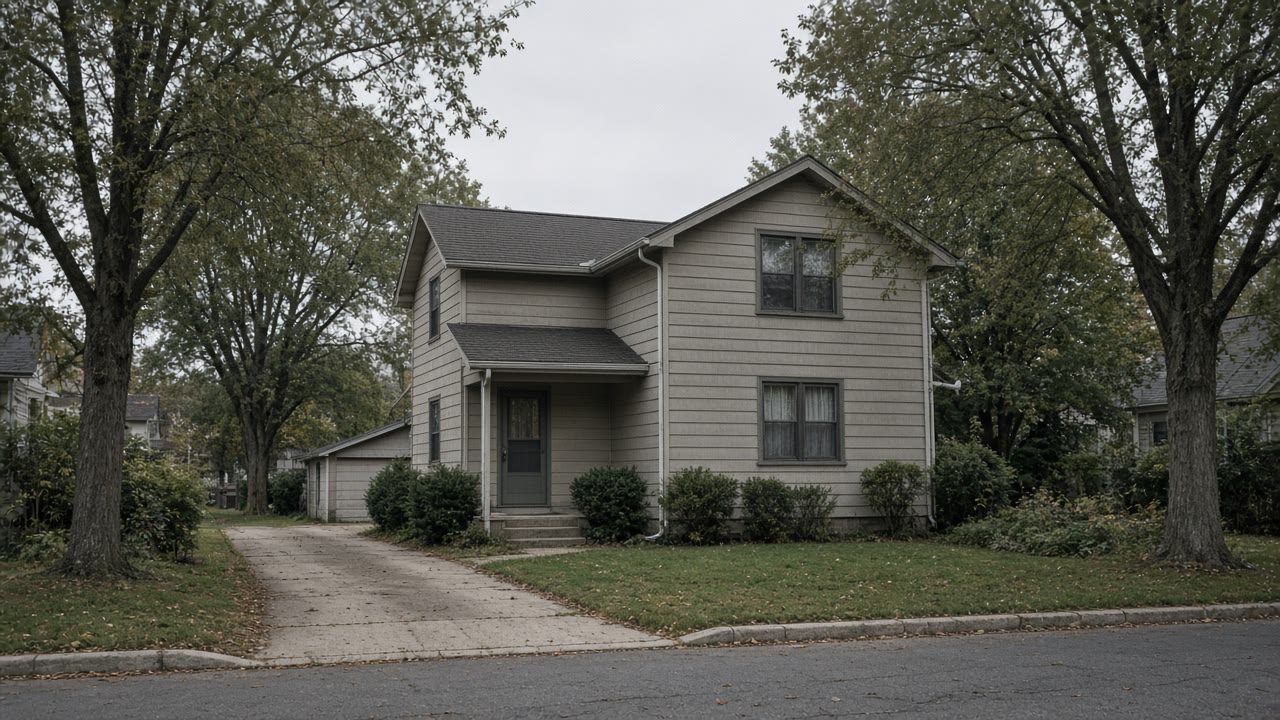
The American Community Survey 2020-2024 five-year estimates report the median year structure built in East Syracuse village as 1939 or earlier, the bottom category the table publishes. Of 1,464 housing units, 791 were built in 1939 or earlier, 54.0 percent, 1,314 were built before 1980, 89.8 percent, and the estimate for units built in 2000 or later is zero.
Source: US Census Bureau, American Community Survey 2020-2024 5-year estimates, tables B25034 and B25035, East Syracuse village, New York, accessed 2026-09-14
Of 1,350 occupied housing units in East Syracuse village, the American Community Survey 2020-2024 five-year estimates report 905 heated with utility gas, 67.0 percent, 367 with electricity, 27.2 percent, 58 with bottled, tank or LP gas, 4.3 percent, and 20 with wood. No units are recorded on fuel oil. Of the occupied units, 711, 52.7 percent, are owner occupied.
Source: US Census Bureau, American Community Survey 2020-2024 5-year estimates, tables B25040 House Heating Fuel and B25003 Tenure, East Syracuse village, New York, accessed 2026-09-14
The Energy Information Administration's 2020 Residential Energy Consumption Survey reports 16.04 million homes in the Middle Atlantic census division, which is New York, New Jersey and Pennsylvania. Of those, 8.24 million use a central warm-air furnace as their main heating equipment and 4.48 million use a steam or hot water system, which is 27.9 percent. Nationally the survey reports 9.29 million of 123.53 million homes on steam or hot water, which is 7.5 percent. Heat pumps are the main heating equipment in 0.68 million Middle Atlantic homes, 4.2 percent, against 16.13 million nationally, 13.1 percent.
Source: US Energy Information Administration, 2020 Residential Energy Consumption Survey, Table HC6.7, Space heating in homes in the Northeast and Midwest regions, final data release March 2023, accessed 2026-09-14
Why a village where most homes predate 1940 is boiler country
Of 1,464 housing units in East Syracuse, 791 were built in 1939 or earlier, 54.0 percent, and 1,314 predate 1980. In a village with that profile hydronic heat is ordinary rather than exotic, and the right survey is a walk past every radiator and run of baseboard rather than a look at the appliance. Emitters get removed during kitchen work, boxed in during remodeling and added onto in an extension, and nothing anywhere writes it down. That is the only way anyone finds out what the system is actually being asked to do, and it is the difference between a replacement sized for the house and one sized for whatever came out.
What a village boiler proposal should put in writing
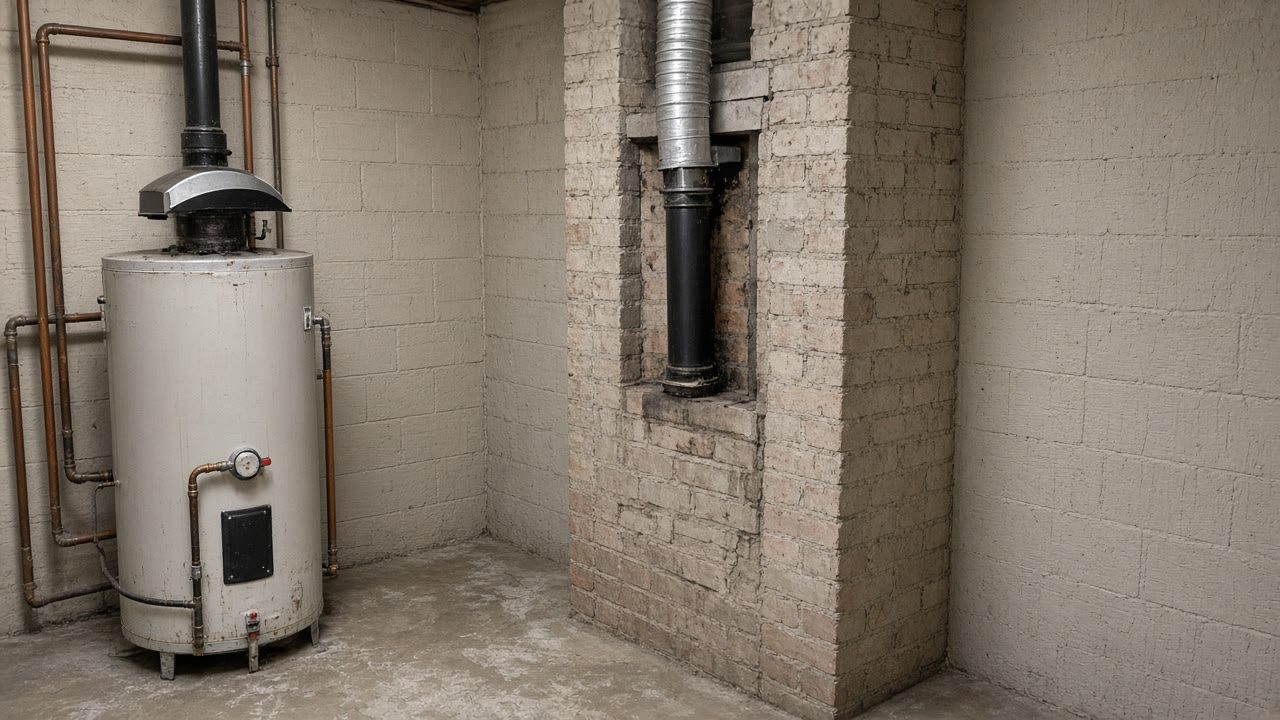
Ownership is the second thing that shapes these decisions here. Of the occupied units, 711 are owner occupied, 52.7 percent, the lowest owner share of the villages in this ledger, so a large share of East Syracuse boiler replacements are being decided by an owner who is not standing in the basement. That argues for a written scope covering the emitters surveyed, the near boiler piping, what happens to the chimney and how the hot water is made, because those are the four places a hydronic price moves. The village department that administers the Fuel Gas, Mechanical and Existing Building Codes is the same office either way, and email is the route it prefers.
Every emitter surveyed, not just the boiler room
Radiators added and removed over a century are the reason a nameplate is a poor guide in this village.
How the domestic hot water is made
A boiler with a tankless coil or an indirect tank is doing two jobs, and the replacement has to carry both.
A scope a non-resident owner can read
With 52.7 percent owner occupancy, many of these jobs are agreed at a distance. Scope, sequence and price in writing is how that is done properly.
Survey the radiators, then price the boiler
Tell us which rooms have what and we will arrange people who do the walk before the arithmetic.
What else we arrange for East Syracuse properties
Radiator questions from East Syracuse owners
Why is everything I read written about furnaces?
Because most of the country heats that way and this village does not. The Energy Information Administration's 2020 survey puts 4.48 million Middle Atlantic homes on steam or hot water, 27.9 percent, against 7.5 percent nationally. If your heat arrives through radiators, national furnace and duct content is describing somebody else's house.
I own the property but do not live in it. What should the quote contain?
The scope in enough detail to be agreed without a site visit: which emitters were surveyed, what the near boiler piping involves, what happens to the chimney, how the hot water is produced, and what the village requires. That is the same document you would want anyway, written for somebody reading it rather than hearing it.
Send the East Syracuse property details
Steam or hot water, how many emitters, and whether the boiler makes your hot water. That is the start.