
Heat Pump Installation for East Syracuse Village Homes
If your gas arrives by truck rather than by pipe, the heat pump comparison in this village looks nothing like your neighbor's.
Heat Pump Installation quote in East Syracuse
Share a few details so we can confirm coverage and arrange the right next step.
Would you rather talk it through? Call (315) 640-3590, answered 24/7.
$100 off your first job
Credited by us on your first booked job.
- One credit per customer per property, on your first booked job.
- Valid through December 31, 2026.
Mention this offer when you book. Full terms.
Tank, main or already electric: three East Syracuse starting points
East Syracuse has 58 occupied homes on bottled, tank or LP gas out of 1,350, around one in twenty three, alongside 905 on utility gas and 367 already on electricity. Those three starting points lead to three different answers, and the tank households are the ones where the arithmetic most often moves. Delivered fuel is bought at a delivered price and an electric machine is not, so a comparison that treats every house on the street as the same case is not a comparison. What settles it either way is the balance point, the outdoor temperature at which the heat pump's capacity matches what the house is asking for, and what carries the load below it.
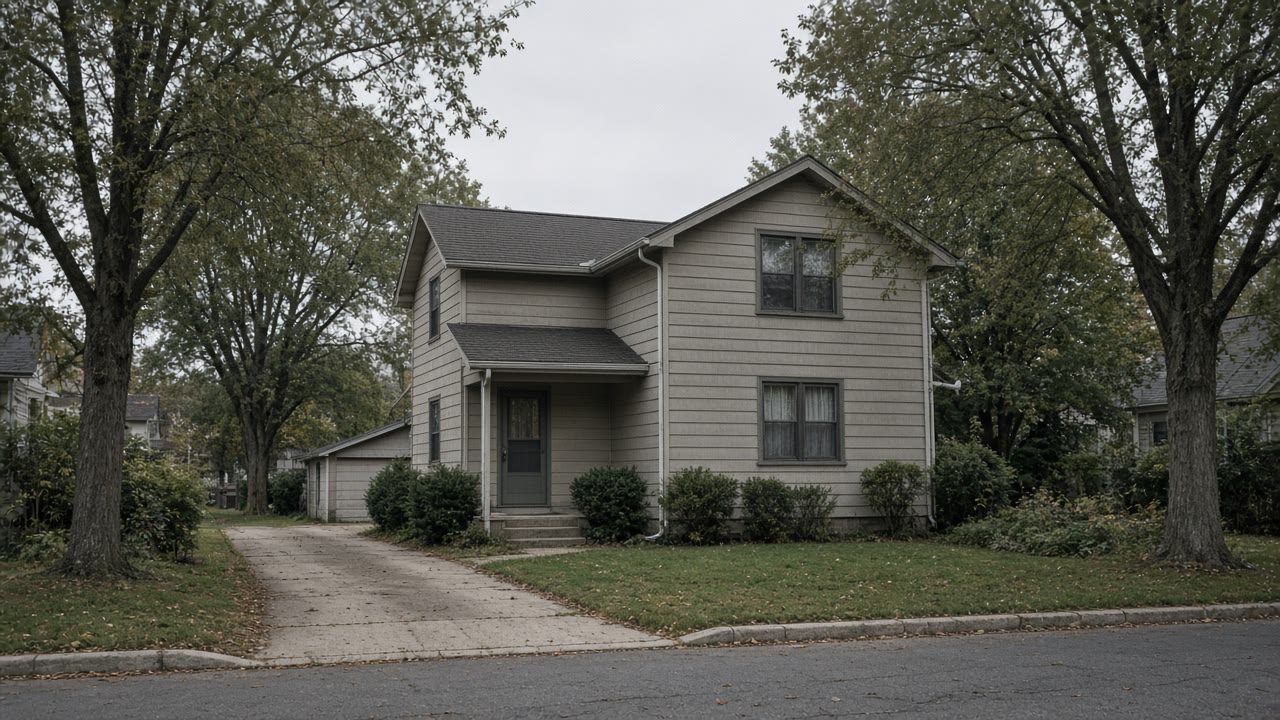
What heat pump installation involves
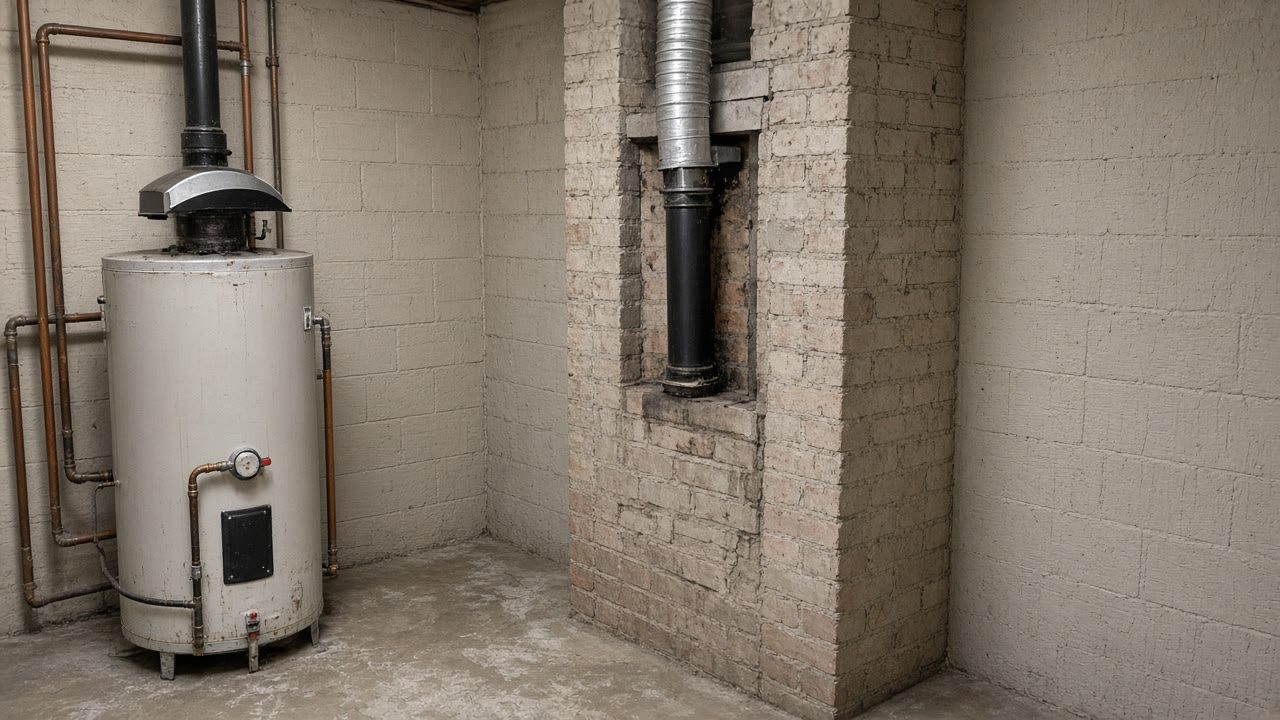

What decides a heat pump in a prewar village house
The village's building stock is the constraint on how the heat is delivered. More than half of these homes were built in 1939 or earlier, which usually means no duct system, plaster walls and no obvious chase, so ducted equipment is often the harder of the two routes and ductless heads reach the rooms that matter with less opened up. Ask for capacity and coefficient of performance at 5F rather than at 47F, because those are the published figures two proposals can be compared on. And if the existing gas appliance is a few years old and heating the house, no law in this state requires you to change it, so this is a decision you can make on your own timetable.
What the house burns now, and how it arrives
Utility gas, a tank on the property or electricity already. The tank households are where the comparison most often changes.
Ducted or ductless, decided by the building
With 54 percent of the village built before 1940, the route for a duct is frequently the reason ductless is the better answer.
The two published cold weather numbers
Coefficient of performance at 5F of at least 1.75 and capacity at 5F of at least 70 percent of the 47F rating are the cold climate criteria recorded by the Department of Energy.
How East Syracuse heats today, tank by tank and meter by meter
Of 1,350 occupied housing units in East Syracuse village, the American Community Survey 2020-2024 five-year estimates report 905 heated with utility gas, 67.0 percent, 367 with electricity, 27.2 percent, 58 with bottled, tank or LP gas, 4.3 percent, and 20 with wood. No units are recorded on fuel oil. Of the occupied units, 711, 52.7 percent, are owner occupied.
Source: US Census Bureau, American Community Survey 2020-2024 5-year estimates, tables B25040 House Heating Fuel and B25003 Tenure, East Syracuse village, New York, accessed 2026-09-14
The American Community Survey 2020-2024 five-year estimates report the median year structure built in East Syracuse village as 1939 or earlier, the bottom category the table publishes. Of 1,464 housing units, 791 were built in 1939 or earlier, 54.0 percent, 1,314 were built before 1980, 89.8 percent, and the estimate for units built in 2000 or later is zero.
Source: US Census Bureau, American Community Survey 2020-2024 5-year estimates, tables B25034 and B25035, East Syracuse village, New York, accessed 2026-09-14
The Building America Solution Center records the low-temperature criteria the ENERGY STAR program applies to cold climate heat pumps: a coefficient of performance at 5F of at least 1.75, and heating capacity at 5F of at least 70 percent of rated capacity at 47F.
Source: US Department of Energy and Pacific Northwest National Laboratory, Building America Solution Center, Cold Climate Heat Pump Sizing and Selection, citing the ENERGY STAR cold climate criteria, accessed 2026-09-14
The Building America Solution Center cold climate heat pump sizing guide, published by the US Department of Energy and Pacific Northwest National Laboratory with Northeast Energy Efficiency Partnerships, defines the balance point as the outdoor temperature at which heating capacity matches the home's heating demand, and states that when outdoor temperatures are below the balance point the heat pump cannot fully meet the home's heating needs without a backup heat source. It sets out four sizing approaches: size for cooling with heating secondary, size for cooling but maximize available heating capacity, size to meet most of the heating load with backup heat available, and size to meet all or nearly all heating needs. It notes that the first approach produces the warmest balance point and the fourth the coldest, and states that electric resistance backup is an inefficient and typically expensive form of heat which should be minimized in all cases of heat pump installations.
Source: US Department of Energy and Pacific Northwest National Laboratory, Building America Solution Center, Cold Climate Heat Pump Sizing and Selection, accessed 2026-09-14
Price it against what you actually burn
Tell us whether the fuel arrives by pipe or by truck and we will arrange the right comparison.
What East Syracuse homeowners ask about heat pumps
I am on a propane tank. Is a heat pump worth pricing?
It is worth pricing properly, which means a balance point, a stated backup and the capacity numbers at 5F rather than a slogan. Delivered fuel is the case where the comparison most often comes out well, and it is also the case where the backup plan matters most because there is no gas main to fall back on.
Will this work in a 1930s house with plaster walls?
The building decides the delivery method rather than the answer. Where there is no duct route, ductless indoor units reach the rooms without opening ceilings, and the cold climate specification publishes separate performance thresholds for ducted and non ducted equipment, so both are recognized types.
Ask for the balance point in writing
Send the village address and we will line up people who answer in temperatures rather than adjectives.